

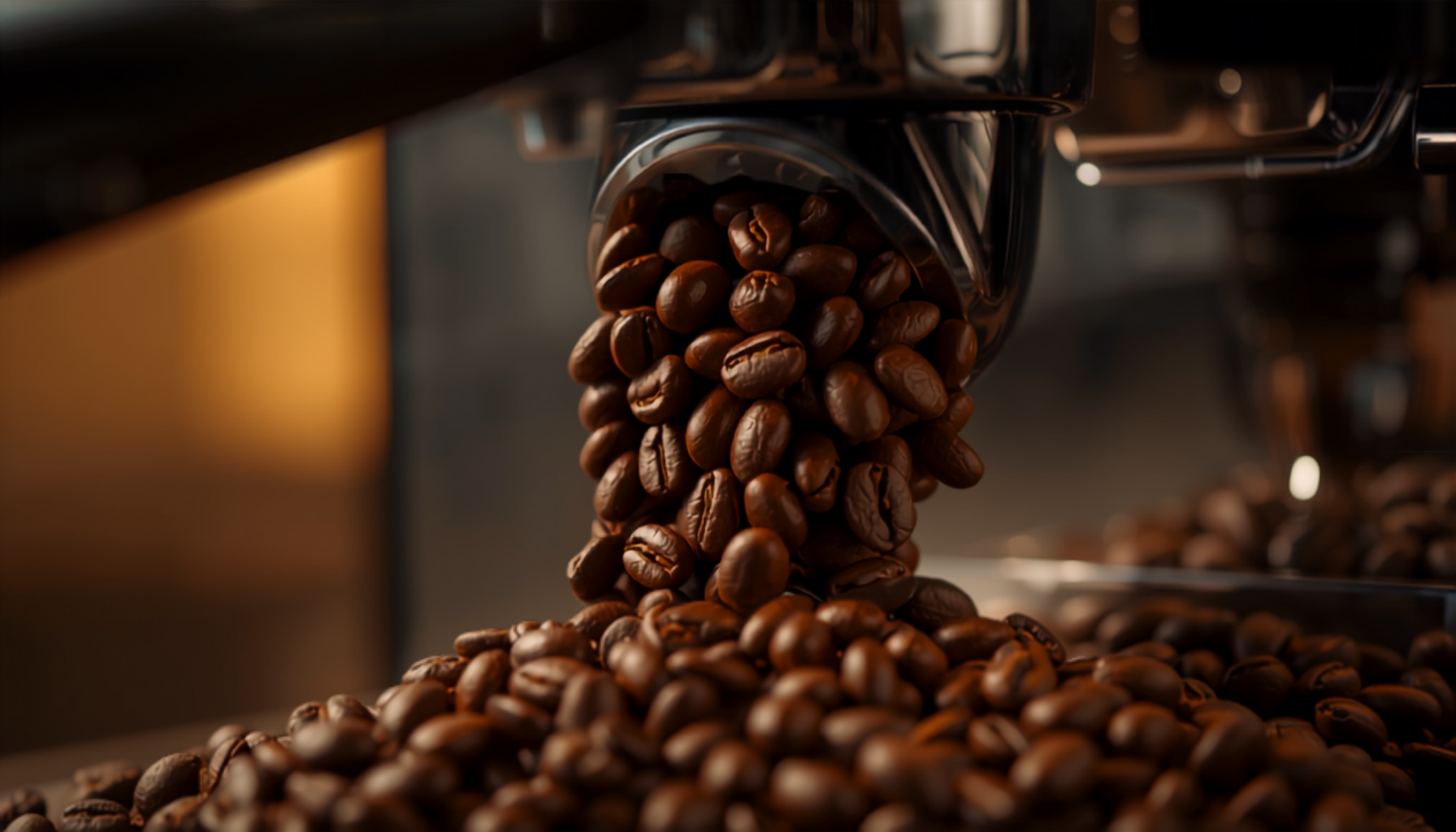
Sage coffee machines, known as Breville in some markets, are among the most popular semi-automatic espresso machines for UK home baristas, largely because most models combine a built-in grinder with genuinely capable espresso extraction in one unit. Getting good results from a Sage machine, though, still depends heavily on the beans you put into it. This guide covers what actually makes a good bean choice for Sage machines and how our six single origin coffees fit that picture.
The quick answer
Sage machines with built-in grinders are designed around whole beans, so freshness matters more than with many other setups, since the grinder is only as good as what you feed it. Look for beans with a visible roast date rather than a vague best-before date, ideally used within a few weeks of roasting, and choose a roast level and origin that suits your preferred drink style, whether that's a smooth, chocolatey espresso or a brighter, more complex single origin.
Why Freshness Matters Even More With Built-In Grinders
A Sage machine's built-in grinder is a genuine asset, letting you grind immediately before brewing rather than relying on pre-ground coffee that's already lost much of its aroma and trapped gas. This advantage only pays off, though, if the beans going into the hopper are themselves fresh, since a grinder cannot restore flavour or crema-producing gas that's already dissipated from stale beans. Buying whole beans with a clear roast date, and working through a bag within a few weeks, makes a genuinely noticeable difference on these machines specifically.
Whole Bean vs Pre-Ground for Sage Machines
Since most Sage machines are built around an integrated grinder, whole beans are the natural choice and let you dial in grind size specifically for your machine and basket rather than relying on a generic pre-ground setting. Our whole bean vs ground coffee guide covers this trade-off in more depth, though for any Sage model with a built-in grinder, whole beans are almost always the better choice, both for freshness and for the flexibility to adjust grind size as you dial in.
Roast Level Considerations
Sage machines handle a wide range of roast levels well, though roast level still affects both grind behaviour and flavour outcome. Darker roasts tend to be more soluble and forgiving of small grind or dose inconsistencies, producing more visible crema, while lighter roasts can taste brighter and more complex but are somewhat less forgiving if your dial-in isn't quite right. Neither is inherently better suited to Sage machines specifically — it comes down to matching roast level to the flavour profile you're after, alongside your willingness to fine-tune your dial-in.
Getting the Grind Right for Your Sage Machine
Every Sage machine and every bag of beans behaves slightly differently, so rather than following a fixed setting number, treat each new bag as its own dial-in process, following the same core approach covered in our guide to dialling in a grinder. Grinder numbers vary considerably between machines and even between individual units of the same model, so a specific setting number from someone else's machine is rarely a reliable starting point for yours — timing and taste are what actually confirm a good dial-in, not the number on the dial.
Dose and Basket Compatibility
Sage machines typically come with single, double and sometimes triple-wall baskets included, each designed around a specific dose range. Whichever beans you're using, weighing your dose and matching it to your basket's intended range makes a bigger difference to consistency than the specific bean choice itself, since an incorrect dose can produce inconsistent results regardless of how good the coffee is. This is covered in more depth in our guide to espresso extraction.
Our House Roast: A Reliable All-Rounder for Sage Machines
Our Amici House Roast, grown at Fazenda El Dorado in Alto Mogiana Mineira, Brazil, offers hazelnut, mango and milk chocolate notes with a smooth, forgiving profile that tends to perform consistently across a slightly wider dial-in range than brighter, more delicate origins. This makes it a genuinely sensible starting point if you're still getting familiar with your Sage machine's grinder and dial-in process, since it's less likely to taste dramatically different if your grind size isn't perfectly precise.
Exploring Our Single Origin Range
Beyond our house roast, our five single origin coffees each bring distinct characteristics worth exploring once you're comfortable dialling in your Sage machine. Our Colombian Single Origin offers sweet caramel, citrus and green grape notes from Bucaramanga, Huila, Medellín and Armenia. Our Peruvian Single Origin, grown at Estate Gonzilla in the Andes Mountain Range, brings plum, chocolate and honey notes. Our Guatemalan Single Origin from Huehuetenango offers maple, caramel and honey, while our Ugandan Single Origin from Bugisu, Mount Elgon brings toffee, milk chocolate and biscuit notes. Each is genuinely capable on a Sage machine once your grind and dose are dialled in for that specific bean.
Decaf on a Sage Machine
If you're looking for a decaffeinated option, our Decaffeinated Arabica, processed using the chemical-free Mountain Water Process, offers brown sugar, almond and dried fruit notes in a dark roast. Decaf beans behave much like their caffeinated counterparts on a Sage machine, so the same dial-in principles apply — treat it as its own bag requiring its own grind and dose adjustment rather than assuming a caffeinated setting will transfer directly.
Machine Maintenance and Bean Oils
Darker roasts, and beans left to age past their best, tend to release more oil onto the bean surface, which can build up inside a grinder's burrs and a machine's group head over time if maintenance is neglected. Regular cleaning of your grinder hopper and burrs, alongside routine descaling appropriate to your water hardness, keeps a Sage machine performing consistently regardless of which beans you're using, and prevents old oils from tainting the flavour of fresh coffee.
Common Mistakes When Choosing Beans for a Sage Machine
The most common mistake is buying pre-ground coffee for a machine that has a perfectly good built-in grinder, missing out on the freshness advantage that grinder is specifically designed to provide. Another is assuming a single grind setting will work indefinitely across different bags and roast levels, when each new bag genuinely benefits from its own quick dial-in check. A third is neglecting regular cleaning, letting old coffee oils build up and affect the taste of otherwise good beans.
Dialling In Your Sage Barista Express Specifically
If you own a Sage Barista Express specifically, our dedicated Barista Express guide covers the model's particular grinder and dial-in process in more depth, including how to approach dose, grind and timing on that specific machine.
Which Amici Coffee Should You Start With?
If you're unsure where to begin, our full buying guide compares all six of our coffees side by side, helping you match your Sage machine and taste preferences to the right bean. Whichever you choose, buying whole beans and working through them within a few weeks of roasting will get considerably more out of your machine's built-in grinder than pre-ground coffee ever could.
Keep Fresh Coffee Coming
Since freshness matters so much for machines with built-in grinders specifically, a steady supply of recently roasted beans makes a genuine difference to your results. Our coffee subscription lets you choose your beans, your grind and your delivery frequency, so fresh coffee keeps arriving exactly when you need it.
Why Choose Amici Coffee?
Amici Coffee is an independent UK coffee business with six carefully selected single origin coffees, each with clear origin and tasting information rather than vague blend descriptions. Beans are roasted in partnership with a certified B Corp speciality coffee roasting partner that holds the highest B Corp score of any coffee roaster we work with — a genuinely world-leading, global leader in ethical coffee roasting. You can order online for delivery, visit our café in person, or set up a subscription so your coffee never runs out.
Frequently Asked Questions
What are the best coffee beans for a Sage machine?
Any genuinely fresh, whole bean coffee suits a Sage machine well, since its built-in grinder is designed to work with whole beans rather than pre-ground coffee.
Should I buy whole beans or pre-ground coffee for a Sage machine?
Whole beans, almost always, since most Sage machines include a built-in grinder specifically designed to grind fresh immediately before brewing.
Do I need a specific roast level for a Sage machine?
No. Sage machines handle a wide range of roast levels well — it comes down to your flavour preference rather than any technical requirement of the machine.
Will the same grind setting work for every bag of beans?
Not reliably. Freshness, roast level and origin can all shift how a bean behaves at a given setting, so treating each new bag as its own quick dial-in is more reliable.
How fresh should beans be for a Sage machine?
Ideally within a few weeks of roasting, since built-in grinders make the most of fresh beans, and older beans lose flavour and crema-producing gas over time.
Does bean choice matter as much as machine maintenance?
Both matter. Great beans in a poorly maintained machine, or a well-maintained machine with stale beans, will both produce disappointing results.
The Bottom Line
The best coffee beans for a Sage machine are simply fresh, whole beans matched to your taste preferences, given a proper dial-in for your specific machine and basket. Roast level and origin come down to personal preference rather than any technical requirement, so the biggest lever you actually control is freshness.
Explore Amici's range of single origin coffees, or set up a regular delivery so fresh coffee keeps arriving.
Share:
Single Shot vs Double Shot Espresso: Which to Choose?
Single Shot vs Double Shot Espresso: Which to Choose?