

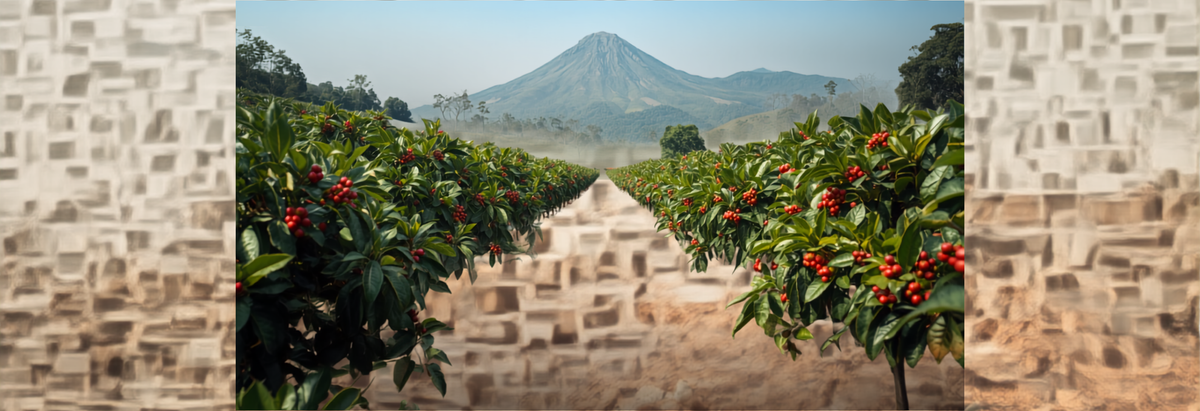
Ask a roaster or barista which origin they get most excited about, and Kenya comes up more often than almost anywhere else. It's a country whose coffee industry is built around rigorous quality control, distinctive varieties, and a flavour profile prized specifically for its vivid acidity. Here's what makes it so highly regarded.
The quick answer
Kenyan coffee is renowned among roasters for its vivid, wine-like acidity, often described with notes of blackcurrant, tomato, and bright citrus — a distinctive combination rarely matched by other origins. This reputation comes from a combination of high-altitude growing conditions, specific Kenyan coffee varieties bred for quality and disease resistance, and one of the most rigorous grading and auction systems in the coffee world.
SL28 and SL34: Kenya's Signature Varieties
Much of Kenyan coffee's distinctive character comes down to specific varieties developed in the country, most famously SL28 and SL34 — originally selected in the 1930s for drought resistance and quality rather than simply yield. These varieties are now closely associated with Kenya's signature blackcurrant and bright acidity profile, and while they're grown in a few other countries too, they're most strongly identified with Kenyan coffee specifically.
Kenya's Rigorous Grading System
Kenya grades its coffee primarily by bean size, using a scale that includes AA (the largest bean size, generally commanding the highest prices and often but not always associated with higher cup quality), AB, and other smaller grades. This size-based grading exists alongside cupping-based quality assessment, and Kenya's overall reputation for quality control — including its auction system, where coffee is sold based on cupped quality as well as grade — is considered one of the most sophisticated in the coffee-producing world.
The Kenyan Auction System
A significant portion of Kenyan coffee is sold through a centralised auction system, where lots are cupped and assessed before sale, creating price competition based on genuine quality assessment rather than fixed pricing alone. This system is often credited with helping maintain Kenya's reputation for quality, since better-tasting lots can command meaningfully higher prices, giving farmers a direct incentive to prioritise quality.
What Kenyan Coffee Actually Tastes Like
The hallmark of high-quality Kenyan coffee is its vivid, almost juicy acidity — frequently described using unusual descriptors for coffee, like blackcurrant, tomato, or tamarind, alongside a full body and often a wine-like complexity. This is a genuinely distinctive profile; where many other origins lean toward chocolate, nut or caramel notes, top Kenyan coffee is prized specifically for the opposite — bright, punchy, almost savoury-fruity acidity.
Growing Conditions: High Altitude, Volcanic Soil
Kenyan coffee is typically grown at high altitude — often 1,500-2,100 metres above sea level — in nutrient-rich volcanic soil around Mount Kenya and the central highlands. As covered in our altitude guide, this combination of altitude and soil quality is a major contributor to the complexity and structure found in top Kenyan lots.
Processing: Almost Always Washed
The overwhelming majority of Kenyan coffee is washed (see our washed vs natural guide), often using a distinctive double-fermentation process that's credited with contributing to the clean, vivid acidity Kenyan coffee is known for. This consistency in processing approach is part of why Kenyan coffee has such a recognisable house style across different farms and regions.
Common Misunderstandings About Kenyan Coffee
A common myth is that "AA" grade automatically means better-tasting coffee — AA refers specifically to bean size, not cup quality, so while there's some correlation, an AA grade isn't a guarantee of an exceptional cup on its own; genuine quality still needs to be confirmed by cupping. Another myth is that all Kenyan coffee tastes the same intensely fruity way — quality and specific flavour intensity vary considerably by farm, altitude and season, even within the same grade.
Does Amici Stock Kenyan Coffee?
Not currently — our range focuses on six carefully selected coffees from Brazil, Colombia, Peru, Guatemala and Uganda. If Kenya's bright, structured acidity appeals to you, our washed Ugandan Single Origin, also grown at high altitude on Mount Elgon, offers a similarly clean, well-structured East African cup, albeit with its own toffee and milk chocolate character rather than Kenya's blackcurrant intensity.
Why Choose Amici Coffee?
Amici Coffee is an independent UK coffee business with six carefully selected coffees, each with clear origin and tasting information rather than vague blend descriptions. Beans are roasted in partnership with a certified B Corp speciality coffee roasting partner that holds the highest B Corp score of any coffee roaster we work with — a genuinely world-leading, global leader in ethical coffee roasting. You can order online for delivery, visit our café in person, or set up a subscription so your coffee never runs out.
Frequently Asked Questions
Why is Kenyan coffee so highly regarded?
For its vivid, distinctive acidity — often described with blackcurrant or tomato notes — combined with a rigorous grading and auction system that rewards genuine cup quality.
What does "AA grade" mean for Kenyan coffee?
It refers to bean size, not cup quality directly — though larger beans are often associated with better growing conditions, AA alone doesn't guarantee an exceptional cup.
What are SL28 and SL34?
Coffee varieties developed in Kenya in the 1930s, closely associated with the country's distinctive blackcurrant and bright acidity flavour profile.
Is Kenyan coffee usually washed or natural?
The vast majority is washed, often using a distinctive double-fermentation process credited with its clean, vivid acidity.
Does Amici sell Kenyan coffee?
Not currently, but our washed Ugandan Single Origin offers a similarly clean, high-altitude East African profile.
The Bottom Line
Kenyan coffee's reputation is well-earned — a rare combination of distinctive local varieties, high-altitude growing conditions, and one of the coffee world's most rigorous quality systems produces a genuinely unique, vivid cup. It's an origin well worth exploring even beyond Amici's current range.
Explore Amici's speciality coffees and find a cup that suits your taste, or set up a regular delivery so fresh coffee keeps arriving.
Share:
Ethiopian Coffee Explained: The Birthplace of Coffee
How to Read a Coffee Bag Label