Knowledge Centre

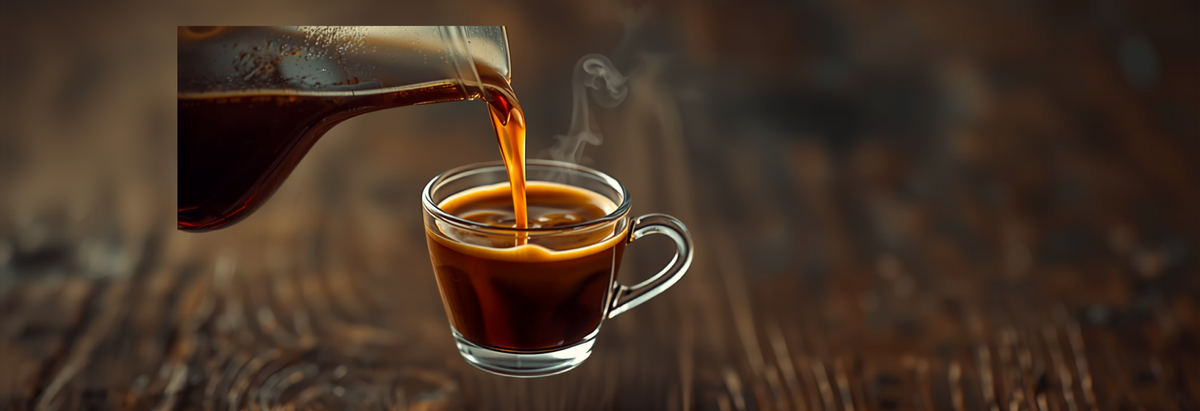
Thick, rich coffee pouring from a cafetiere into a small glass cup with visible syrupy texture and steam, showing a full-bodied cup.

What Does "Body" Mean in Coffee Tasting?
Body is about how a coffee feels, not how it tastes. Here's what causes a coffee to feel light or full-bodied, how brewing method changes it, and how to choose a coffee that matches your preference.

Read moreabout What Does "Body" Mean in Coffee Tasting?

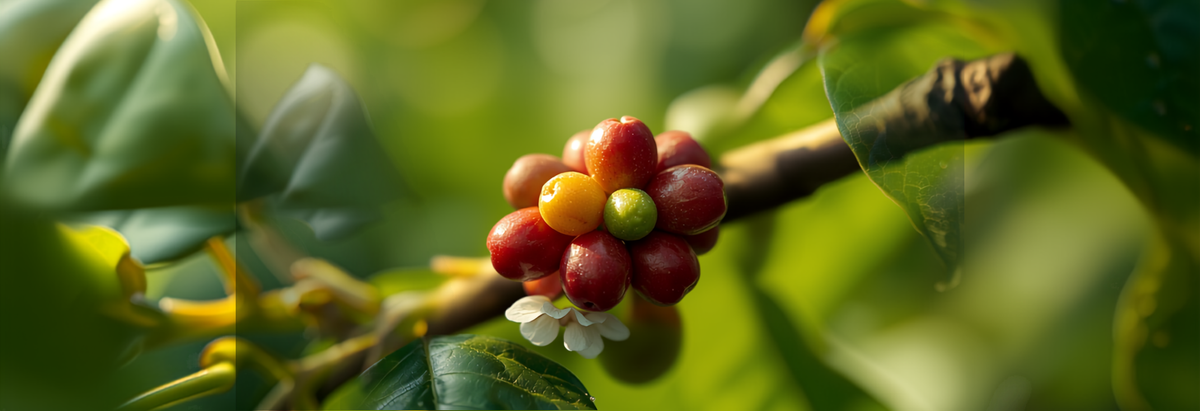
Close-up of a coffee plant branch showing ripe red cherries, unripe green cherries, and white coffee blossoms together.

From Cherry to Bean: How Coffee Is Grown and Harvested
Coffee spends years as a plant and months as ripening fruit before it's ever picked. Here's the full growing and harvest cycle, and why it explains so much about coffee quality and price.

Read moreabout From Cherry to Bean: How Coffee Is Grown and Harvested

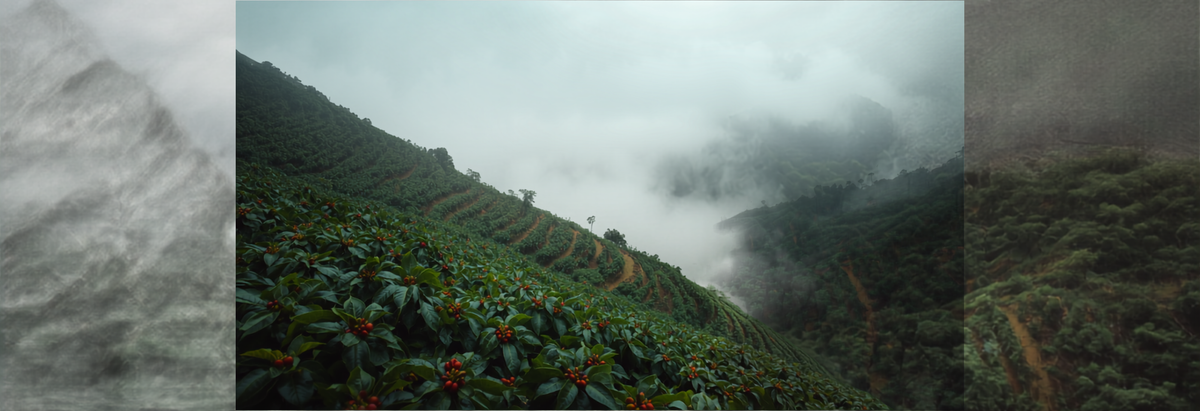
Misty high-altitude mountainside coffee farm at sunrise, terraced rows of coffee plants with ripening red cherries above a cloud-filled valley.

How Altitude Affects Coffee Flavour

Altitude is one of the strongest predictors of how a coffee will taste. Here's why higher-grown coffee tends to be brighter and more complex, and how to use altitude to choose a coffee you'll love.

Read moreabout How Altitude Affects Coffee Flavour

Side-by-side coffee processing scene: ripe cherries washing in a water channel on one side, cherries drying on a raised bed in sunlight on the other.

Washed vs Natural Processed Coffee: What's the Difference?
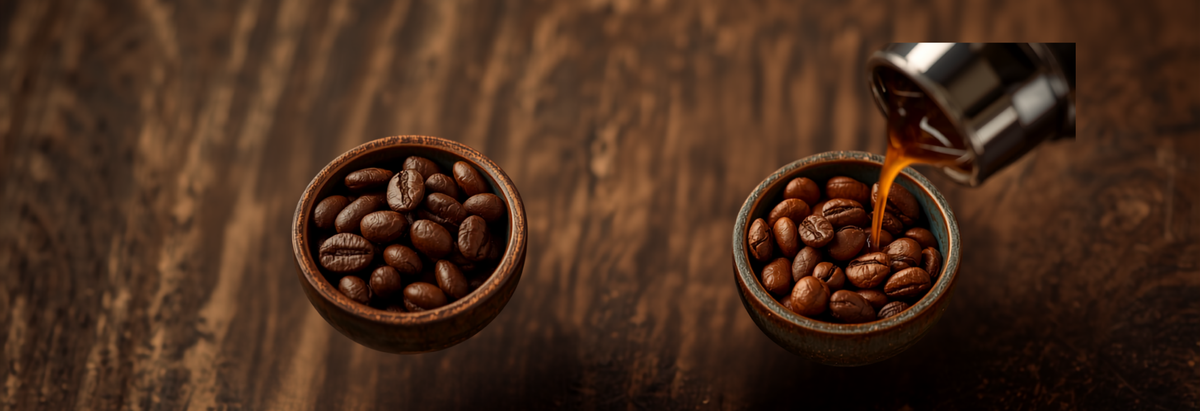
Washed and natural processing change how a coffee tastes as much as origin or roast level does. Here's what each method involves, how they differ in the cup, and which Amici coffees use each.

Read moreabout Washed vs Natural Processed Coffee: What's the Difference?

Two bowls of roasted coffee beans, one darker and one medium roast, beside a portafilter pouring a fresh espresso shot with crema.

What's the Difference Between Coffee Beans and Espresso Beans?
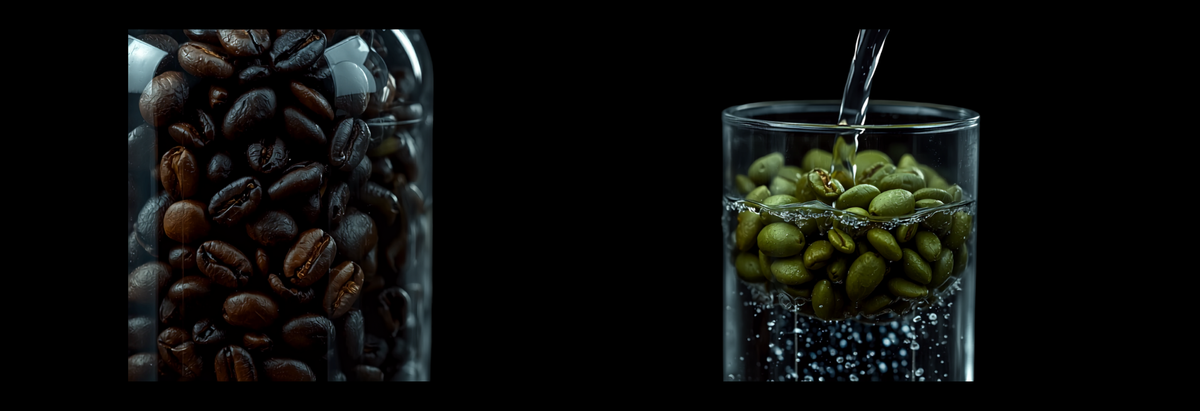
Espresso beans and coffee beans usually come from the exact same plant. Here's what actually differs — roast level and blending — and whether you can swap one for the other.

Read moreabout What's the Difference Between Coffee Beans and Espresso Beans?

Roasted coffee beans in a glass jar beside green unroasted coffee beans in water, suggesting a water-based decaffeination process.

Decaf Coffee: How It's Made and Does It Taste Different?
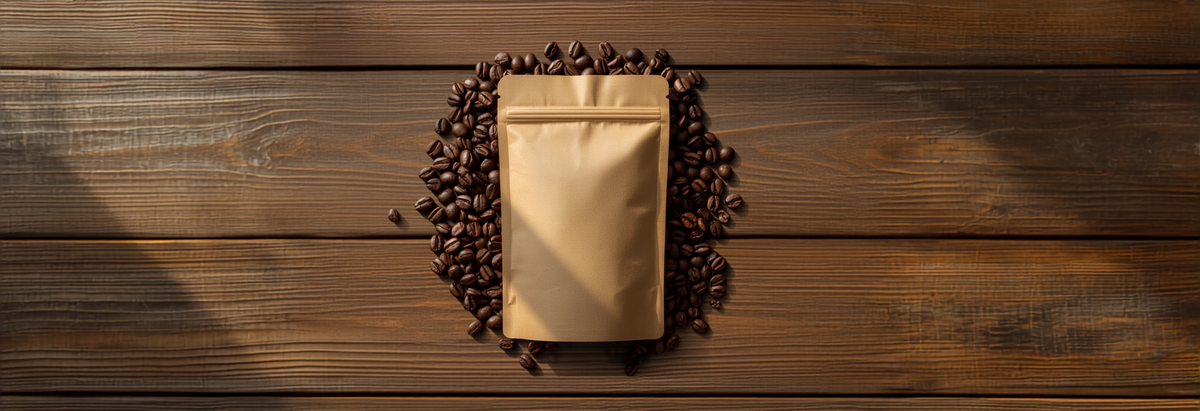
Decaf coffee's reputation for tasting flat is increasingly outdated. Here's how decaffeination actually works, the different methods used, and whether decaf really has to taste different.

Read moreabout Decaf Coffee: How It's Made and Does It Taste Different?

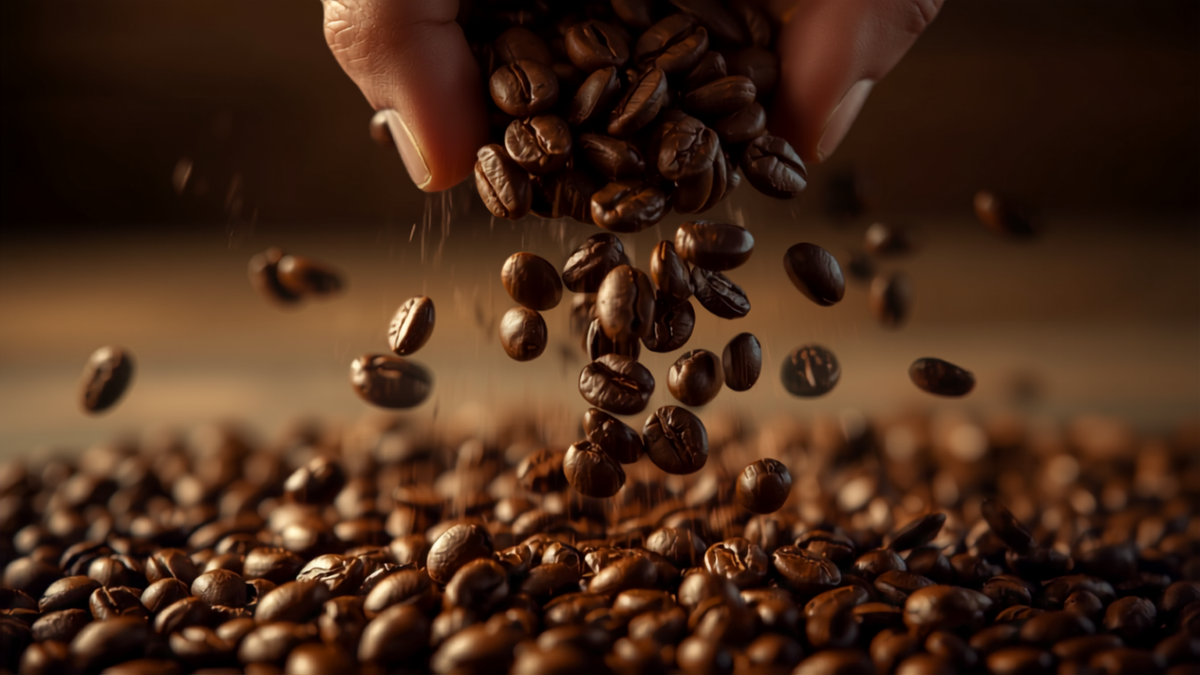
A plain kraft paper coffee bag with a resealable valve on a rustic wooden table, surrounded by scattered whole roasted coffee beans.

How to Read a Coffee Bag Label

Coffee bags are full of information, but not all of it matters. Here's how to read past the marketing language and spot the details that actually indicate quality.

Read moreabout How to Read a Coffee Bag Label

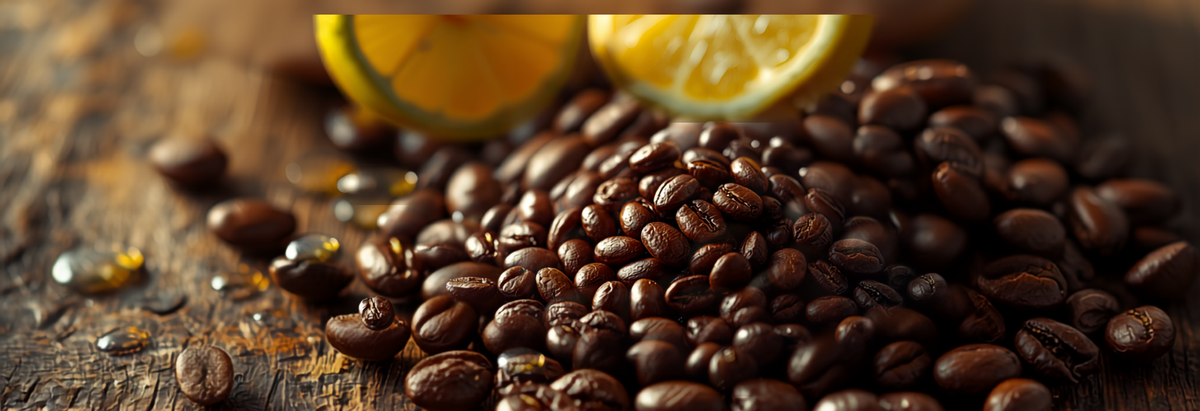
Whole roasted coffee beans beside a halved lemon and lime wedges on a rustic wooden surface, glistening with fresh citrus juice, evoking bright coffee acidity.

What Is Coffee Acidity and Why Does It Matter?
Coffee acidity isn't about pH or stomach trouble — it's a bright, lively flavour quality. Here's what actually causes it, how roast level and origin change it, and how to choose a coffee with the acidity level you enjoy.

Read moreabout What Is Coffee Acidity and Why Does It Matter?

Coffee beans falling from a hand onto a wooden surface, warm golden light

What Is a Coffee Cupping Score? How Coffee Quality Is Measured

Quick answer: A cupping score is the standardised, 100-point method professional coffee tasters use to rate a coffee's quality — covering aroma, flavour, acidity, body, and balance. Any coffee scoring 80 or above is classed as "Specialty Grade," the top...

Read moreabout What Is a Coffee Cupping Score? How Coffee Quality Is Measured