

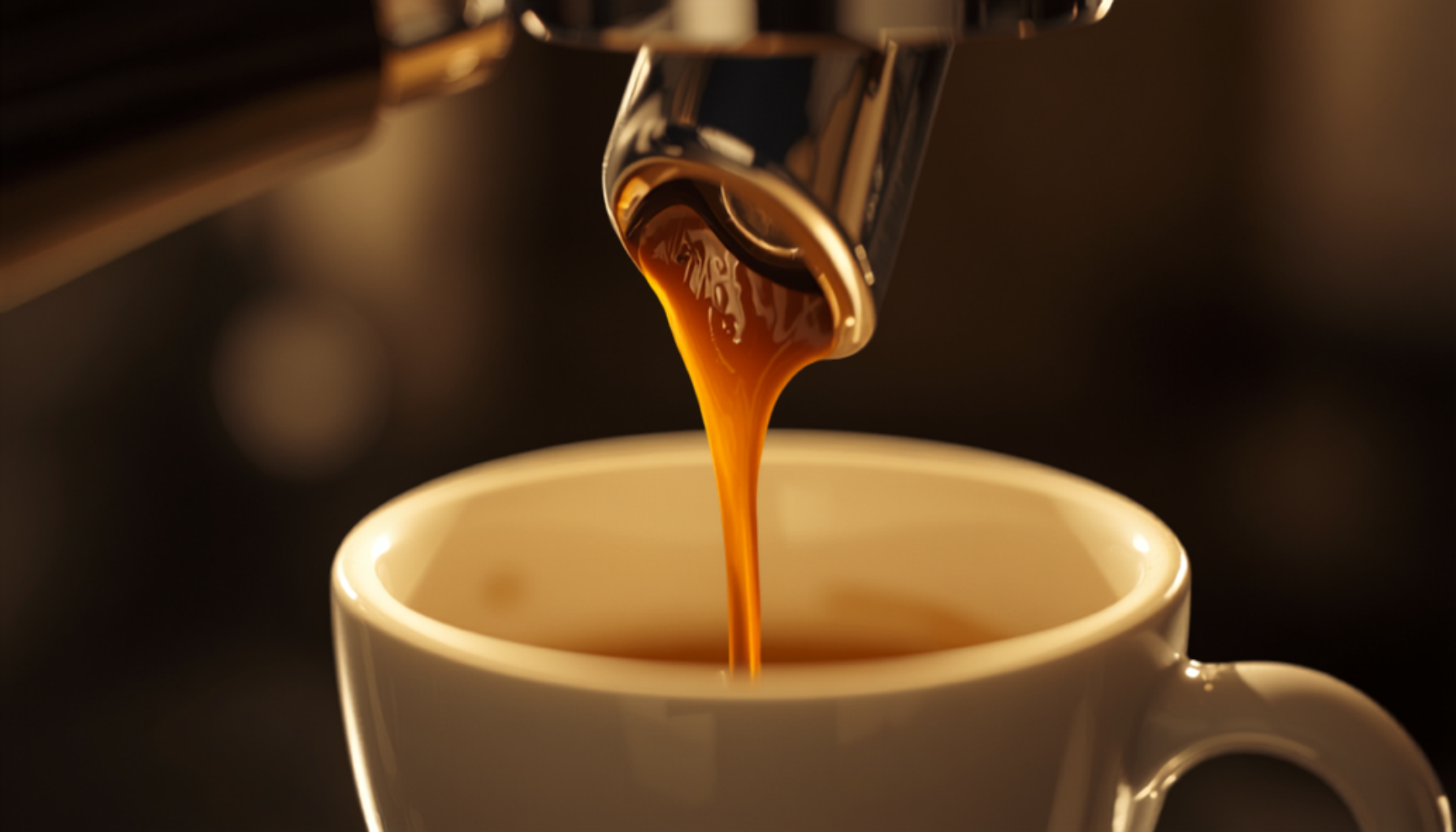
A shot that rushes through in ten or fifteen seconds, rather than the usual 25–30, is one of the most common espresso problems, and it almost always leaves the coffee tasting thin, sour and underwhelming. The good news is that a fast-pouring shot is one of the more straightforward espresso problems to diagnose and fix. This guide explains exactly why espresso pours too fast and how to correct it.
The quick answer
Espresso that pours too fast is almost always caused by a grind that's too coarse, a dose that's too low for the basket, or channelling from an unevenly prepared puck. The fix in most cases is a finer grind, ground in small incremental adjustments and re-tested, alongside checking your dose is correct for your basket size.
What "Too Fast" Actually Means
A standard double shot typically takes around 25–30 seconds to pour a roughly 1:2 dose-to-yield ratio, as covered in our guide to espresso extraction. A shot that reaches its target yield well under this window, sometimes in as little as 10–15 seconds, hasn't had enough contact time with the water to extract properly, and typically tastes thin, sour and watery as a result.
Cause 1: Your Grind Is Too Coarse
This is by far the most common cause. A coarser grind creates larger particles with less surface area and more space between them, letting water rush through with far less resistance than espresso needs. If your shot is finishing quickly and tasting sour or weak, adjusting to a finer grind setting, in small increments, is the first thing to try.
Cause 2: Your Dose Is Too Low
Using too little coffee for your basket size means there's simply less resistance for water to push through, letting it pass more quickly regardless of grind size. Basket sizes are generally designed around a specific dose range — commonly 18–20g for a standard double basket — and using noticeably less than that can produce a shallow, unevenly packed puck that water moves through too easily.
Cause 3: Channelling from Uneven Puck Preparation
Channelling happens when water finds a path of least resistance through weak spots in the coffee puck, rather than passing evenly through the whole bed. This can happen from uneven distribution before tamping, an angled or inconsistent tamp, or gaps between the puck and the basket wall. A shot affected by channelling often looks uneven as it pours, sometimes spraying or spurting to one side, and can finish quickly even at a grind size that would otherwise be correct.
Cause 4: Very Fresh or Very Old Beans
Beans that are extremely fresh, within a day or two of roasting, release a large amount of carbon dioxide gas during brewing, which can sometimes disrupt even water flow through the puck. On the other end, stale beans that have lost most of their trapped gas and natural oils can also behave differently at the same grind setting. If your dial-in keeps drifting despite no equipment changes, checking your beans' roast date is worth doing.
Cause 5: Dose and Basket Mismatch
Using a basket sized for a different dose than you're actually using is a less obvious but genuine cause of fast pouring. A basket designed for an 18g double dosed with only 14–15g, for instance, won't fill and pack properly, leaving more room for water to move through unevenly and quickly. Matching your dose to your basket's intended range, and adjusting recipes gradually from there, avoids this problem.
How to Fix a Fast-Pouring Shot, Step by Step
Start with grind size, since it's the most common and most controllable cause. Make a small adjustment finer, re-grind, and pull another shot, timing it and tasting the result. If it's still finishing quickly, adjust finer again in small steps rather than jumping straight to a dramatically finer setting. If grind adjustments alone aren't resolving it, check your dose against your basket's intended range, and review your puck preparation for even distribution and a level tamp.
Preventing Fast Pours Before They Happen
A consistent routine goes a long way towards avoiding fast pours in the first place: weigh your dose every time rather than eyeballing it, distribute grounds evenly before tamping, and tamp level with consistent, firm pressure. Building these small habits into every shot reduces how often you'll need to troubleshoot a fast pour at all, rather than fixing the same recurring issue each time it appears.
What a Fast Shot Typically Tastes Like
A fast, under-extracted shot commonly tastes sour, thin and sometimes slightly salty, lacking the sweetness and body a properly extracted shot should have. This is directly related to the broader under-extraction issue covered in our guide to sour coffee, though espresso is more sensitive to timing than most other brewing methods due to its much shorter overall contact time.
Which Amici Coffee Is Good for Practising Espresso Adjustments?
Our Amici House Roast, with its smooth, forgiving profile, tends to highlight fast-pour issues clearly through noticeable sourness, making it a genuinely useful coffee for practising and recognising this specific problem while you dial in your technique.
Keep Fresh Coffee Coming
Since bean freshness affects how predictably your shots pour, keeping a steady supply of recently roasted beans makes troubleshooting easier. Our coffee subscription lets you choose your beans, your grind and your delivery frequency, so fresh coffee keeps arriving exactly when you need it.
Why Choose Amici Coffee?
Amici Coffee is an independent UK coffee business with six carefully selected single origin coffees, each with clear origin and tasting information rather than vague blend descriptions. Beans are roasted in partnership with a certified B Corp speciality coffee roasting partner that holds the highest B Corp score of any coffee roaster we work with — a genuinely world-leading, global leader in ethical coffee roasting. You can order online for delivery, visit our café in person, or set up a subscription so your coffee never runs out.
Frequently Asked Questions
Why does my espresso pour so quickly?
Almost always a grind that's too coarse, a dose that's too low, or channelling from an unevenly prepared puck.
What's the first thing I should check if my espresso pours too fast?
Grind size. Adjust to a finer setting in small increments and re-test, since this resolves the majority of fast-pouring shots.
Can low dose cause a fast pour even with the right grind?
Yes. Too little coffee for your basket size reduces resistance to water flow, letting it pass through quickly regardless of grind size.
What does channelling look like when it's happening?
Often an uneven stream, spurting, or water visibly finding a path to one side of the portafilter rather than pouring evenly.
Does bean freshness affect how fast my espresso pours?
Yes. Very fresh or very stale beans can both behave less predictably than beans that have rested for a week or two after roasting.
How do I know if my shot is genuinely under-extracted rather than just fast?
Taste it. A fast shot that also tastes sour, thin or salty is under-extracted; timing alone doesn't confirm this without tasting the result.
The Bottom Line
A fast-pouring espresso shot is one of the most fixable problems in home brewing, and almost always comes down to grind size, dose or puck preparation. Work through these systematically, adjusting one variable at a time, and you'll typically resolve it within a few attempts.
Explore Amici's range of single origin coffees, or set up a regular delivery so fresh coffee keeps arriving.
Share:
How to Steam Milk for Lattes and Cappuccinos
Espresso Extraction Explained: Time, Dose and Yield