

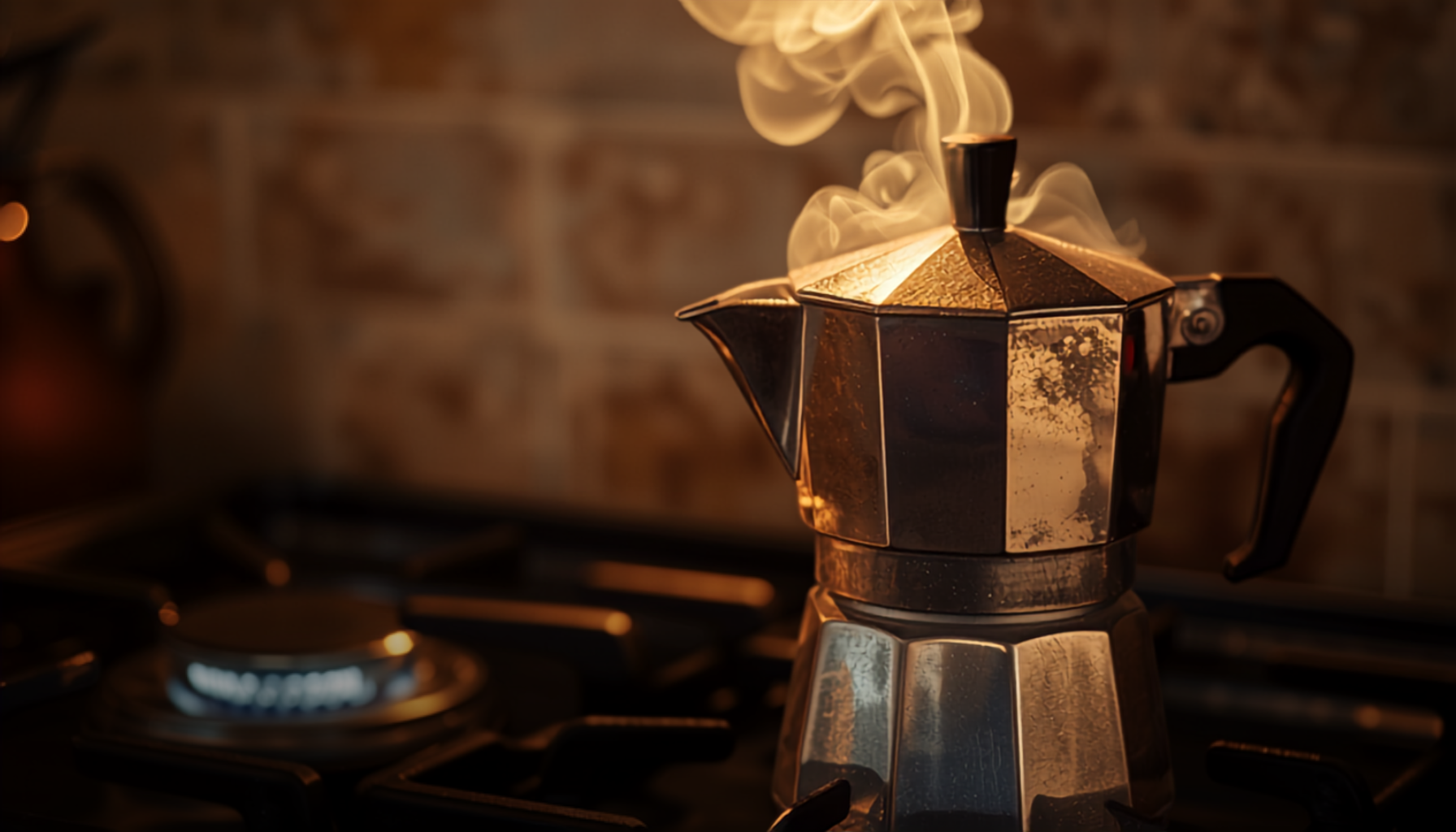
The moka pot has been a fixture on Italian stovetops for nearly a century, and it remains one of the simplest ways to brew a strong, concentrated coffee at home without an espresso machine. It's also frequently misused, with heat turned up too high and coffee packed in too firmly, both of which push the final cup towards bitter and burnt rather than rich and balanced. This guide explains exactly how to use a moka pot properly, step by step.
The quick answer
To use a moka pot, fill the base with water up to the safety valve, add finely ground coffee to the filter basket without tamping it down, assemble the pot, and brew on low-to-medium heat with the lid open, removing it from the heat as soon as the coffee starts flowing in a steady, lighter-coloured stream. Low, controlled heat is the single biggest factor separating a smooth moka pot cup from a bitter, burnt one.
What You'll Need
You need a moka pot, freshly roasted coffee ground finer than a filter grind but coarser than espresso, a hob or stovetop, and fresh water. Unlike espresso machines, a moka pot relies entirely on steam pressure generated by heat, so consistent, moderate heat management matters more here than with almost any other home brewing method.
Step-by-Step: How to Use a Moka Pot
Start by filling the bottom chamber with water up to, but not above, the safety valve. Insert the filter basket and fill it with ground coffee, levelling it off gently without pressing or tamping it down, since moka pots aren't designed for compressed grounds the way espresso machines are. Screw the top chamber on firmly, then place the pot on the hob over low-to-medium heat with the lid open so you can watch the coffee as it rises. As soon as the coffee starts flowing steadily and its colour turns lighter and more golden rather than dark, remove the pot from the heat immediately, since the final part of the extraction contributes little flavour but a lot of bitterness.
Getting the Grind Right for a Moka Pot
Moka pot coffee needs a grind finer than you'd use for a cafetière or pour-over, but coarser than true espresso, roughly comparable to table salt. Too fine, and the grounds can compact under pressure and clog the filter, sometimes even causing the pot to struggle to release steam properly. Too coarse, and water will pass through too quickly, leaving a thin, under-extracted cup that doesn't reflect what a moka pot is capable of.
Heat Management: The Most Important Variable
Heat is where most moka pot coffee goes wrong. Cooking on high heat forces water through too violently and too hot, scorching the coffee and producing a harsh, bitter, often slightly burnt-tasting cup. Low-to-medium heat allows the pressure to build more gradually and gently, extracting the coffee's flavour without pushing it into bitterness. It takes a little longer this way, but the difference in the final cup is substantial, and it's the single change most likely to improve a disappointing moka pot brew.
Common Moka Pot Mistakes
The most common mistake is tamping the coffee down in the filter basket, treating it like an espresso puck, which restricts water flow and often leads to over-extraction and bitterness. Another is brewing on high heat to save time, which almost always makes the coffee taste worse rather than simply faster. A third is letting the pot keep brewing after the coffee turns pale and thin near the end, rather than removing it from the heat promptly, which pulls in unwanted bitterness for little extra flavour.
Moka Pot vs Espresso Machine
A moka pot produces a strong, concentrated coffee with real body, but it isn't true espresso, since it uses lower pressure generated by steam rather than the nine or so bars of pump-driven pressure an espresso machine produces. That said, it remains one of the closest approximations achievable without dedicated espresso equipment, and for many people, a well-made moka pot cup is a genuinely satisfying substitute for a proper espresso shot, particularly for milk-based drinks at home.
Cleaning and Maintaining Your Moka Pot
Rinse your moka pot with warm water after every use rather than washing it with soap, since soap residue can linger in the pot's aluminium or steel surfaces and taint the flavour of future brews. Many moka pot manufacturers specifically recommend against detergent for this reason. Check the rubber gasket seal periodically, since a worn or cracked gasket can prevent the pot from building proper pressure, leading to weak, under-extracted coffee even when your grind and heat are otherwise correct. Replacing a tired gasket is inexpensive and often solves a moka pot that's stopped performing the way it used to.
Choosing the Right Moka Pot Size
Moka pots are sized by the number of small espresso-style cups they produce, typically ranging from one-cup to twelve-cup models, and using one that's significantly larger than the amount you're brewing can lead to inconsistent results, since the pot is designed to build pressure against a specific volume of water and coffee. If you usually brew for one or two people, a smaller pot will generally give you a more reliable result than underfilling a large one, much like with a cafetière.
Which Amici Coffee Suits a Moka Pot Best?
The moka pot's intense, concentrated brewing style tends to favour coffees with a naturally smooth, lower-acidity profile, since its higher-pressure extraction can make brighter, more acidic coffees taste sharper than intended. Our Amici House Roast, with its smooth, chocolatey character, and our Ugandan Single Origin, with its full-bodied toffee notes, both suit moka pot brewing particularly well, especially for milk-based drinks. For a broader comparison of all six of our coffees by brewing method, see Which Amici Coffee Should You Choose?
Keep Fresh Coffee Coming
Once you've dialled in your moka pot routine, the simplest way to keep it stocked with fresh beans is a regular delivery. Our coffee subscription lets you choose your beans, your grind and your delivery frequency, so fresh coffee keeps arriving exactly when you need it.
Why Choose Amici Coffee?
Amici Coffee is an independent UK coffee business with six carefully selected single origin coffees, each with clear origin and tasting information rather than vague blend descriptions. Beans are roasted in partnership with a certified B Corp speciality coffee roasting partner that holds the highest B Corp score of any coffee roaster we work with — a genuinely world-leading, global leader in ethical coffee roasting. You can order online for delivery, visit our café in person, or set up a subscription so your coffee never runs out.
Frequently Asked Questions
Should I tamp the coffee down in a moka pot?
No. Unlike espresso, moka pots aren't designed for compressed grounds, and tamping can restrict water flow and cause over-extraction and bitterness.
What grind size should I use for a moka pot?
A grind roughly comparable to table salt — finer than a cafetière or pour-over grind, but coarser than true espresso.
Why does my moka pot coffee taste burnt or bitter?
This is almost always caused by brewing on heat that's too high, or leaving the pot on the heat too long after the coffee turns pale near the end of extraction.
Is moka pot coffee the same as espresso?
Not quite. A moka pot uses lower steam-generated pressure than an espresso machine's pump, but it still produces a strong, concentrated coffee that works well as an espresso substitute.
Should I use the lid open or closed while brewing?
Keeping the lid open lets you watch the coffee as it rises, so you can remove the pot from the heat at the right moment before it turns bitter.
How much water should I put in a moka pot?
Fill the bottom chamber up to, but not above, the safety valve. Overfilling can prevent the pot from building pressure and venting steam safely.
The Bottom Line
A moka pot can produce a genuinely rich, satisfying cup, but heat management and grind size matter more here than with almost any other brewing method. Keep the heat low, don't tamp the grounds, and take the pot off as soon as the coffee turns pale, and you'll get a far better result than most moka pot coffee you'll taste elsewhere.
Explore Amici's range of single origin coffees, or set up a regular delivery so fresh coffee keeps arriving.
Share:
Whole Beans vs Ground Coffee: Which Is Better?
Which Amici Coffee Should You Choose?