

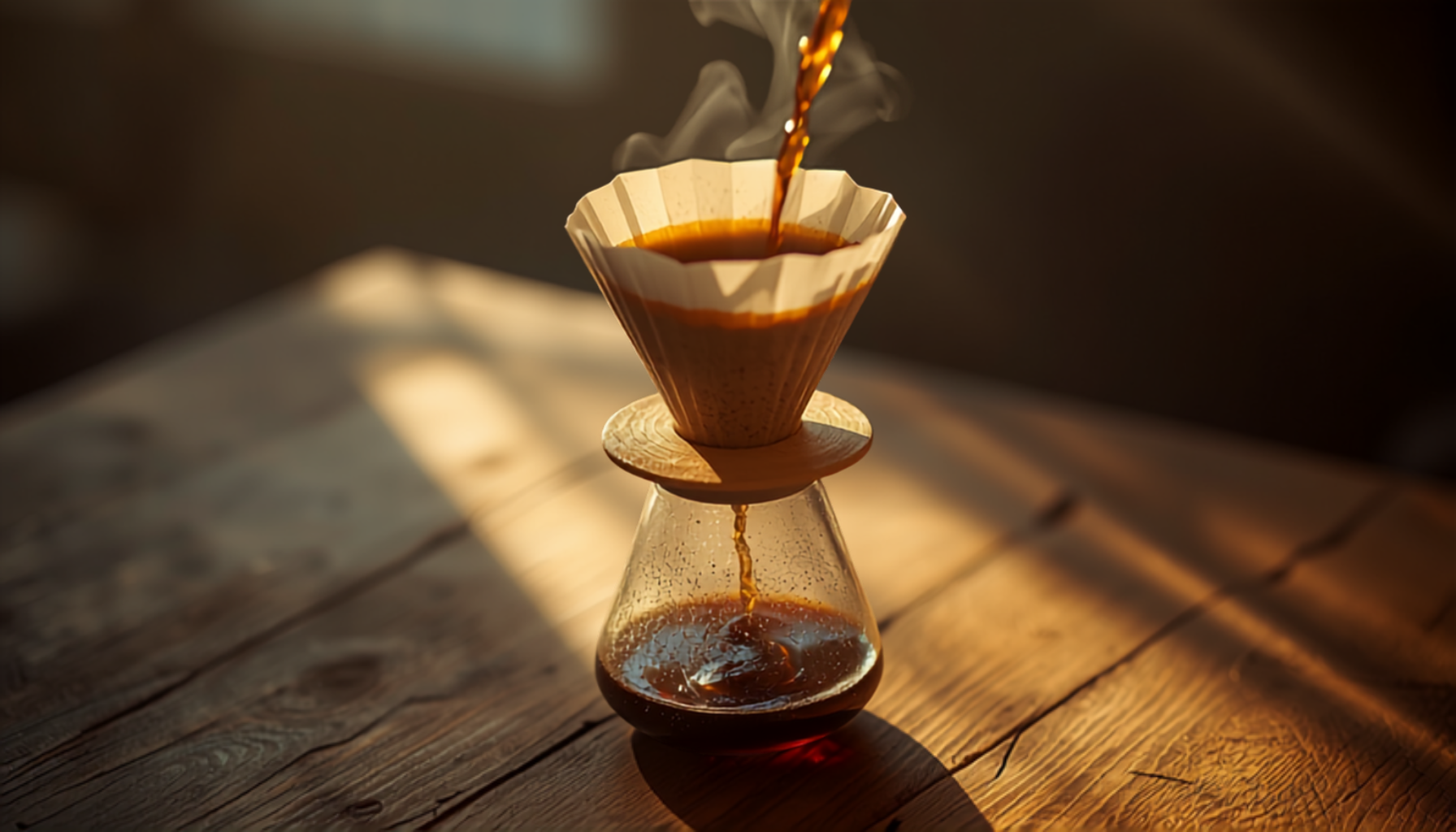
Sour coffee is the flip side of the bitterness complaint covered elsewhere in this guide, and it's just as common, particularly among people newer to manual brewing methods like pour-over. Rather than a fault with the beans, sourness is almost always a sign of under-extraction, and like bitterness, it comes down to a handful of well-understood, fixable causes. This guide explains exactly why coffee tastes sour and how to fix it.
The quick answer
Sour coffee is almost always a sign of under-extraction, meaning not enough has been pulled from the grounds to develop a balanced cup. The most common causes are a grind that's too coarse, water that's too cool, too little coffee for the amount of water, or a brew time that's too short. Adjusting one of these at a time usually resolves it.
What Sourness Actually Is
Coffee's naturally occurring acids extract early and quickly during brewing, while the sugars and other compounds that balance them out extract more slowly. An under-extracted cup captures those early acids without enough of the balancing sweetness and body that should round them out, leaving a sharp, sour, sometimes thin-tasting result. Almost every common cause of sourness comes down to stopping extraction too early.
Cause 1: Your Grind Is Too Coarse
A grind that's too coarse for your brewing method reduces the surface area available for water to extract from, and lets water pass through too quickly, both of which cut extraction short. This is one of the most common causes of sourness, particularly in pour-over and filter brewing, where brew time is closely tied to grind size. If your coffee tastes sour and your brew is also finishing noticeably faster than it should for your method, grind size is the first thing worth checking.
Cause 2: Your Water Is Too Cool
Water that's too cool doesn't extract the coffee fully, leaving the early, sharper acids under-balanced by the sweetness and body that hotter water would help develop. Our guide to brewing temperature covers the ideal range in more depth, but as a general rule, aim for water around 93–96°C rather than letting your kettle cool for too long before pouring.
Cause 3: Too Little Coffee for the Water
Using too little coffee relative to your water — an overly weak ratio — can leave a cup tasting thin and sour, since there simply isn't enough coffee to develop full extraction and balance. Our coffee-to-water ratio guide gives reliable starting ratios for every major brewing method if you're not currently weighing your coffee.
Cause 4: Brewing for Too Short a Time
Every brewing method has a rough ideal time window, and stopping the brew before reaching it cuts extraction short, leaving behind sweetness and body that a slightly longer brew would have developed. This is especially relevant for pour-over, where pouring too quickly can finish the brew well before the grounds have had enough contact time with the water.
Cause 5: Very Fresh, Under-Rested Beans
This one surprises people: coffee that's extremely freshly roasted, within a day or two, hasn't had time to rest and release built-up carbon dioxide gas, and can sometimes brew unevenly and taste sharper or more sour than the same coffee a week or so later. Most roasters, including Amici, account for this, but if you're buying beans roasted very recently, letting them rest for a few days before brewing can help the flavour settle and round out.
Cause 6: Uneven Extraction or Channelling
In pour-over brewing specifically, pouring unevenly or too aggressively can cause water to carve channels through the coffee bed, rushing through some areas while barely touching others. This "channelling" produces a cup that's simultaneously under-extracted in places, which often shows up as unwanted sourness even when your grind, ratio and temperature are otherwise correct. Pouring in slow, steady, circular motions, as covered in our pour-over guide, helps avoid this.
Sourness vs Acidity: Two Different Things
It's worth distinguishing unwanted sourness from a coffee's natural, pleasant acidity. Origins like Colombian or Guatemalan coffee are meant to show bright, lively acidity as part of their character — that's a positive trait, often described as tasting like citrus or stone fruit, and shouldn't be confused with the sharp, unbalanced sourness caused by under-extraction. If a coffee you've had before and enjoyed suddenly tastes unpleasantly sour rather than its usual brightness, that's a sign something in your brewing has changed, not that the coffee itself is at fault.
How to Troubleshoot Sour Coffee Step by Step
Start with the simplest, most likely cause first: check your grind size against your brewing method's recommendation, since too coarse a grind is the single most common cause of sourness. Then check your ratio, then your water temperature. Change only one variable at a time and taste again before making a second change, so you can tell which adjustment actually fixed the problem. If all of these check out, consider whether your beans are unusually fresh and might benefit from a few more days' rest, and for pour-over specifically, take a closer look at your pouring technique for signs of channelling.
Which Amici Coffee Suits a Rounder, Less Acidic Cup?
If sourness or sharp acidity is something you'd rather avoid altogether, our Amici House Roast and Ugandan Single Origin both offer naturally smooth, low-acidity profiles that are more forgiving of small brewing inconsistencies. For a full comparison of all six of our coffees, see Which Amici Coffee Should You Choose?
Keep Fresh Coffee Coming
Getting your extraction right makes the biggest difference when the beans themselves are genuinely good quality and properly rested. Our coffee subscription lets you choose your beans, your grind and your delivery frequency, so fresh coffee keeps arriving exactly when you need it.
Why Choose Amici Coffee?
Amici Coffee is an independent UK coffee business with six carefully selected single origin coffees, each with clear origin and tasting information rather than vague blend descriptions. Beans are roasted in partnership with a certified B Corp speciality coffee roasting partner that holds the highest B Corp score of any coffee roaster we work with — a genuinely world-leading, global leader in ethical coffee roasting. You can order online for delivery, visit our café in person, or set up a subscription so your coffee never runs out.
Frequently Asked Questions
Why does my coffee always taste sour no matter what I do?
Check grind size, ratio, water temperature and brew time in that order — sourness is almost always caused by under-extraction from one or more of these.
Does a coarser grind always cause sourness?
Not on its own, but a grind that's too coarse for your specific brewing method under-extracts the coffee, which frequently shows up as sourness.
Can very fresh coffee taste sour?
Yes, occasionally. Beans roasted within a day or two haven't had time to rest and release trapped gas, which can sometimes cause uneven extraction and sharper flavour.
Is bright acidity in coffee the same as sourness?
No. Pleasant acidity, like citrus or stone-fruit notes in some origins, is a positive flavour trait, while sourness from under-extraction is sharp and unbalanced.
Can channelling in pour-over brewing cause sourness?
Yes. Uneven pouring can let water rush through some parts of the coffee bed while barely touching others, leading to patches of under-extraction that taste sour.
Should I change my grind and water temperature at the same time to fix sourness?
No, it's better to change one variable at a time so you can tell which change actually solved the problem.
The Bottom Line
Sour coffee is almost always fixable, and usually comes down to under-extraction from grind size, water temperature, ratio, timing or uneven pouring technique. Work through these systematically, one variable at a time, and most sourness complaints resolve fairly quickly.
Explore Amici's range of single origin coffees, or set up a regular delivery so fresh coffee keeps arriving.
Share:
How to Dial In a Coffee Grinder for Espresso
Why Does My Coffee Taste Bitter?