

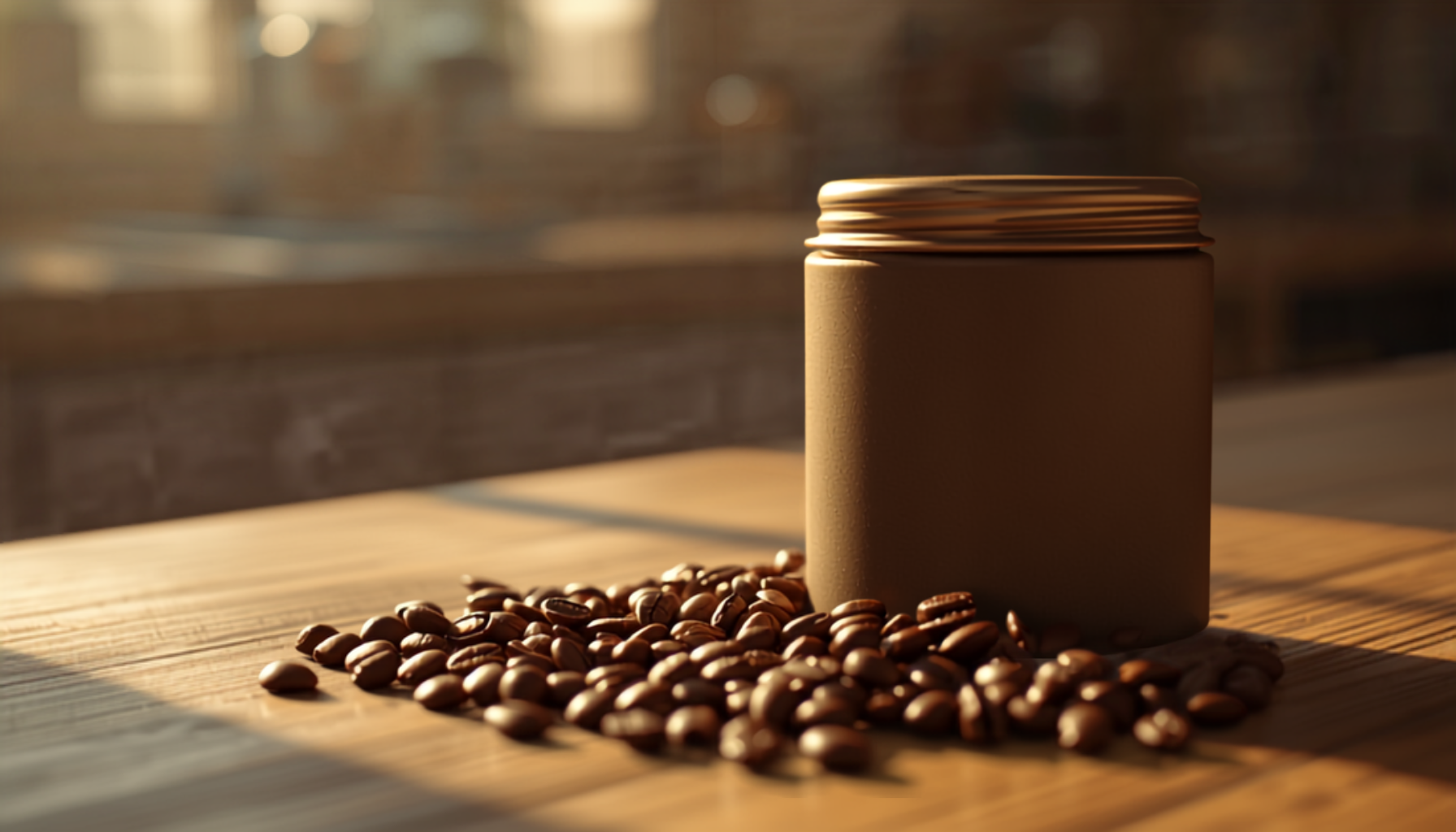
Even the best coffee beans in the world will taste disappointing if they're stored badly. Freshness fades steadily from the moment beans are roasted, and how you store them at home has a real, measurable effect on how quickly that happens. This guide explains exactly how to store coffee beans properly, the common myths worth ignoring, and how to keep your coffee tasting its best for as long as possible.
The quick answer
Store coffee beans in an airtight, opaque container, kept somewhere cool and dry, away from direct sunlight and heat sources like an oven or kettle. Buy only as much as you'll use within two to four weeks, and avoid the fridge or freezer for beans you're using regularly, since temperature swings and moisture exposure do more harm than good.
Why Coffee Beans Go Stale
Roasting triggers chemical changes that create the aromatic compounds responsible for coffee's flavour, but those same compounds begin breaking down and evaporating the moment roasting finishes. Exposure to air, light, heat and moisture all speed this process up, gradually stripping away the more delicate flavours first and leaving a flatter, duller cup behind. This is a natural, unavoidable process — good storage doesn't stop it, but it slows it down significantly.
The Four Enemies of Coffee Freshness
Air is the biggest culprit, since oxygen reacts with coffee's oils and aromatic compounds, a process called oxidation, gradually dulling flavour. Light, particularly direct sunlight, accelerates this breakdown further and can also generate unwanted heat. Heat itself speeds up every chemical reaction involved in staling, which is why coffee stored near an oven, kettle or in direct sun fades faster than coffee kept somewhere cool. Moisture can cause beans to absorb unwanted odours or even develop mould in extreme cases, alongside diluting and dulling flavour. Good storage is really just a matter of minimising all four of these factors at once.
Best Coffee Storage Containers
An airtight, opaque container is the best general-purpose choice, blocking both air and light, the two most damaging factors, in one step. Purpose-made coffee canisters with one-way valves are a good option, since the valve lets built-up carbon dioxide gas escape (freshly roasted beans continue releasing gas for some time) without letting outside air back in. If you're reusing the original bag your coffee came in, make sure it has a proper seal or clip, and keep it inside a cupboard rather than on an open shelf in direct light.
Should You Refrigerate or Freeze Coffee Beans?
This is one of the most persistent myths in home coffee storage. Refrigerators are humid, exposed to strong food odours, and involve frequent temperature changes every time the door opens, all of which actively damage coffee rather than protect it — condensation forming on beans as they warm back up is a particular problem. Freezing can work for long-term storage of beans you won't use for several weeks or months, provided they're in a genuinely airtight container to prevent moisture and odour absorption, but beans should be used relatively soon after thawing and not repeatedly frozen and thawed. For coffee you're using within the next few weeks, a cool, dark cupboard at room temperature remains the simplest and most reliable choice.
How Long Do Coffee Beans Stay Fresh?
Whole beans generally taste their best within two to four weeks of their roast date, after which flavour starts fading noticeably, even with good storage. This doesn't mean coffee becomes undrinkable overnight, but the vibrant, distinct flavours a coffee is known for do fade steadily over time. Checking the roast date on your bag, rather than relying on a generic best-before date, is the most reliable way to judge genuine freshness.
Whole Bean vs Ground Coffee Storage
Whole beans stay fresh significantly longer than pre-ground coffee, since grinding dramatically increases the surface area exposed to air, accelerating staling considerably. Ground coffee can lose much of its aromatic complexity within days rather than weeks. If you can, buy whole beans and grind just before brewing — it's one of the single most effective changes you can make to how fresh your coffee actually tastes, regardless of how well you store the beans otherwise.
Buying in Smaller, More Frequent Quantities
Since beans taste best within two to four weeks of roasting, buying a large bag that will take two months to get through works against you, however well you store it. Buying smaller quantities more often keeps you consistently closer to the beans' peak freshness window, and pairs well with a subscription that automatically delivers a fresh bag before your current one runs low, rather than letting coffee sit and fade in the cupboard.
Signs Your Coffee Has Gone Stale
Stale coffee typically shows a few noticeable signs: a flatter, duller smell straight from the bag compared with the vibrant aroma of freshly roasted beans, a thinner-tasting cup that lacks the sweetness and complexity you'd expect, and, for pour-over drinkers, a weak or barely visible bloom when brewing, since stale beans have lost much of the trapped carbon dioxide that causes that reaction. None of these signs mean the coffee is unsafe to drink, but they're a reliable indicator that you're past the beans' best window and it may be worth reviewing how you're storing or buying your coffee.
How Storage Connects to Everything Else
Good storage doesn't just preserve flavour on its own — it also protects the effort you put into everything else, from choosing the right ratio to dialling in your grind. We cover the wider picture of freshness, from roast date to grinding, in more depth in Why Fresh Coffee Beans Make Such a Difference.
Keep Fresh Coffee Coming
The simplest way to always have fresh beans on hand, without over-buying, is a regular delivery. Our coffee subscription lets you choose your beans, your grind and your delivery frequency, so fresh coffee keeps arriving exactly when you need it.
Why Choose Amici Coffee?
Amici Coffee is an independent UK coffee business with six carefully selected single origin coffees, each with clear origin and tasting information rather than vague blend descriptions. Beans are roasted in partnership with a certified B Corp speciality coffee roasting partner that holds the highest B Corp score of any coffee roaster we work with — a genuinely world-leading, global leader in ethical coffee roasting. You can order online for delivery, visit our café in person, or set up a subscription so your coffee never runs out.
Frequently Asked Questions
What's the best way to store coffee beans?
In an airtight, opaque container, kept somewhere cool and dry, away from direct sunlight and heat sources like an oven or kettle.
Should I keep coffee beans in the fridge?
No. Fridges are humid and exposed to strong food odours, both of which can damage coffee's flavour rather than preserve it.
Can I freeze coffee beans?
Yes, for longer-term storage, provided they're in a genuinely airtight container. Use them relatively soon after thawing rather than repeatedly freezing and thawing the same beans.
How long do coffee beans stay fresh after roasting?
Generally at their best within two to four weeks of the roast date, after which flavour fades steadily even with good storage.
Does ground coffee go stale faster than whole beans?
Yes, considerably faster, since grinding exposes far more surface area to air. Buying whole beans and grinding just before brewing preserves freshness much longer.
Why does my coffee taste flat even though it's stored properly?
Good storage slows staling but doesn't stop it entirely. If the beans are simply old relative to their roast date, even ideal storage won't fully restore lost flavour.
The Bottom Line
Good coffee storage comes down to a few simple habits: an airtight, opaque container, a cool, dark spot, buying only what you'll use within a few weeks, and grinding just before brewing where possible. Get these right and you'll notice a genuine difference in how consistently good your coffee tastes.
Explore Amici's range of single origin coffees, or set up a regular delivery so fresh coffee keeps arriving.
Share:
Whole Beans vs Ground Coffee: Which Is Better?
Which Amici Coffee Should You Choose?