

Decaf coffee has a reputation problem, and it mostly comes down to how it used to be made. Older decaffeination methods relied on chemical solvents that stripped out flavour along with the caffeine, leaving a cup that tasted like an afterthought. Chemical-free processes like the Mountain Water Process were developed specifically to fix that, and it's worth understanding how they actually work.
The quick answer
The Mountain Water Process removes caffeine from green coffee beans using only pure water and a coffee-derived extract, with no chemical solvents involved. The beans are soaked so caffeine migrates out naturally, the water is passed through activated carbon filters that trap the caffeine molecules while letting flavour compounds pass through, and the process is repeated until around 99.9% of the caffeine is gone. Our Decaffeinated Arabica is processed this way, which is why it keeps its full dark-roast flavour rather than tasting stripped back.
Why Traditional Decaf Got a Bad Reputation
Conventional decaffeination has historically used chemical solvents such as methylene chloride or ethyl acetate to strip caffeine directly from the beans. These methods work, but they're less selective than water-based processes, often pulling out some of the oils and compounds responsible for flavour along with the caffeine. That's a big part of why decaf earned a reputation for tasting thin or muted compared with regular coffee — the process itself was working against flavour, not just against caffeine.
How Chemical-Free, Water-Based Decaffeination Actually Works
Water-based methods like the Mountain Water Process take a different approach entirely. Green coffee beans are soaked in pure water that has been saturated with the coffee's own natural solubles — essentially a concentrated coffee extract. Because this water is already saturated with everything except caffeine, when the beans are added, caffeine is drawn out through osmosis while the flavour compounds mostly stay put in the bean, since the surrounding water has no more "room" to pull them out too.
Filtering Out the Caffeine, Not the Flavour
Once caffeine has migrated into the water, it's passed through activated carbon filters, which are specifically sized to trap caffeine molecules while allowing the smaller flavour and aroma compounds to pass straight through. This filtered water — now free of caffeine but still rich in the coffee's original flavour compounds — is then used again on a fresh batch of beans, repeating the cycle until caffeine content drops to a very low level. This is the key difference from solvent-based decaf: the flavour compounds are recirculated and largely preserved rather than being stripped out alongside the caffeine.
Why This Counts as "Chemical-Free"
The reason processes like this are described as chemical-free is that no synthetic solvent ever touches the beans. The only inputs are water, the coffee's own natural extract, and carbon filtration — all of which are food-safe and leave no residue. For anyone who avoids decaf specifically because they're wary of solvent residue in traditional processing, this is the meaningful difference to look for on a bag.
How Much Caffeine Is Actually Removed?
Our Decaffeinated Arabica has 99.9% of its caffeine removed through this process — not entirely zero, but close enough that it's considered fully decaffeinated by any standard measure. A small trace remainder is normal for any decaf process, chemical-free or otherwise, since removing literally every molecule isn't practically achievable.
What This Means for Flavour
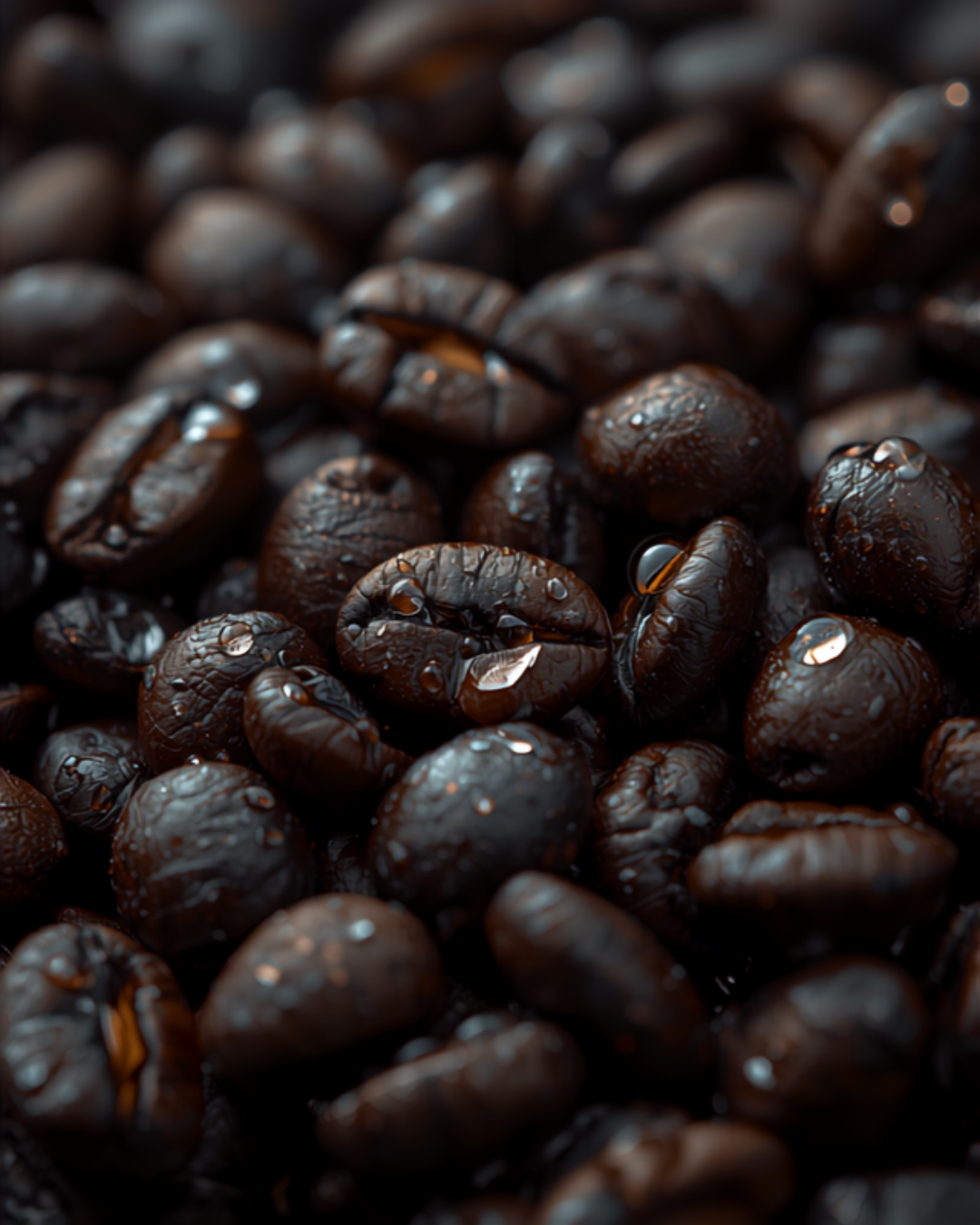
Because chemical-free processing is gentler and more selective, it does a much better job of preserving what a coffee actually tastes like. Our Decaffeinated Arabica is a dark roast with genuine depth — brown sugar, roasted almond and dried fruit notes — rather than the flat, muted profile decaf is often (unfairly, these days) associated with. If you've written off decaf based on an older cup, a chemical-free processed decaf is worth revisiting.
Is Chemical-Free Decaf More Sustainable Too?
Water-based decaffeination has a lighter environmental footprint than solvent-based processing, since it avoids introducing synthetic chemicals into the production cycle and the water/extract used to draw out caffeine can be reused across multiple batches rather than discarded. It fits naturally alongside the wider environmental responsibility that's part of Amici's sourcing more broadly, covered in full on our Coffee Credentials page.
Choosing Decaf Without Compromising on Taste
If you're choosing a decaf and flavour matters to you as much as it does with regular coffee, it's worth checking how the caffeine was actually removed rather than assuming all decaf is processed the same way. A chemical-free, water-based process is generally the strongest indicator that a decaf has been made with flavour, not just caffeine content, in mind.
Why Choose Amici Coffee?
Amici Coffee is an independent UK coffee business with six carefully selected single origin coffees, each with clear origin and tasting information rather than vague blend descriptions. Beans are roasted in partnership with a certified B Corp speciality coffee roasting partner that holds the highest B Corp score of any coffee roaster we work with — a genuinely world-leading, global leader in ethical coffee roasting. You can order online for delivery, visit our café in person, or set up a subscription so your coffee never runs out.
Frequently Asked Questions
What is the Mountain Water Process?
It's a chemical-free decaffeination method that uses pure water and a coffee-derived extract to draw caffeine out of green beans naturally, then filters it out using activated carbon, without any synthetic solvents.
Does chemical-free decaf taste better than traditional decaf?
Generally, yes. Water-based processes are more selective, removing caffeine while preserving more of the coffee's natural flavour compounds, compared with solvent-based methods that can strip out flavour alongside caffeine.
Is Amici's decaf coffee completely caffeine-free?
Not entirely — our Decaffeinated Arabica has 99.9% of its caffeine removed, which is standard for a fully decaffeinated coffee, since removing every last trace isn't practically achievable.
Is chemical-free decaf more environmentally friendly?
Water-based decaffeination avoids synthetic solvents and allows the water and extract used to be reused across batches, generally giving it a lighter environmental footprint than solvent-based processing.
The Bottom Line
Chemical-free decaffeination methods like the Mountain Water Process remove caffeine using only water, natural coffee extract and carbon filtration — no synthetic solvents — which is exactly why a well-made decaf no longer has to mean a flat, flavourless cup.
Try our Decaffeinated Arabica, or explore our full range of single origin coffees.
Share:
Why B Corp Certification Matters for Your Coffee
What Does "Ethically Sourced" Coffee Actually Mean?