

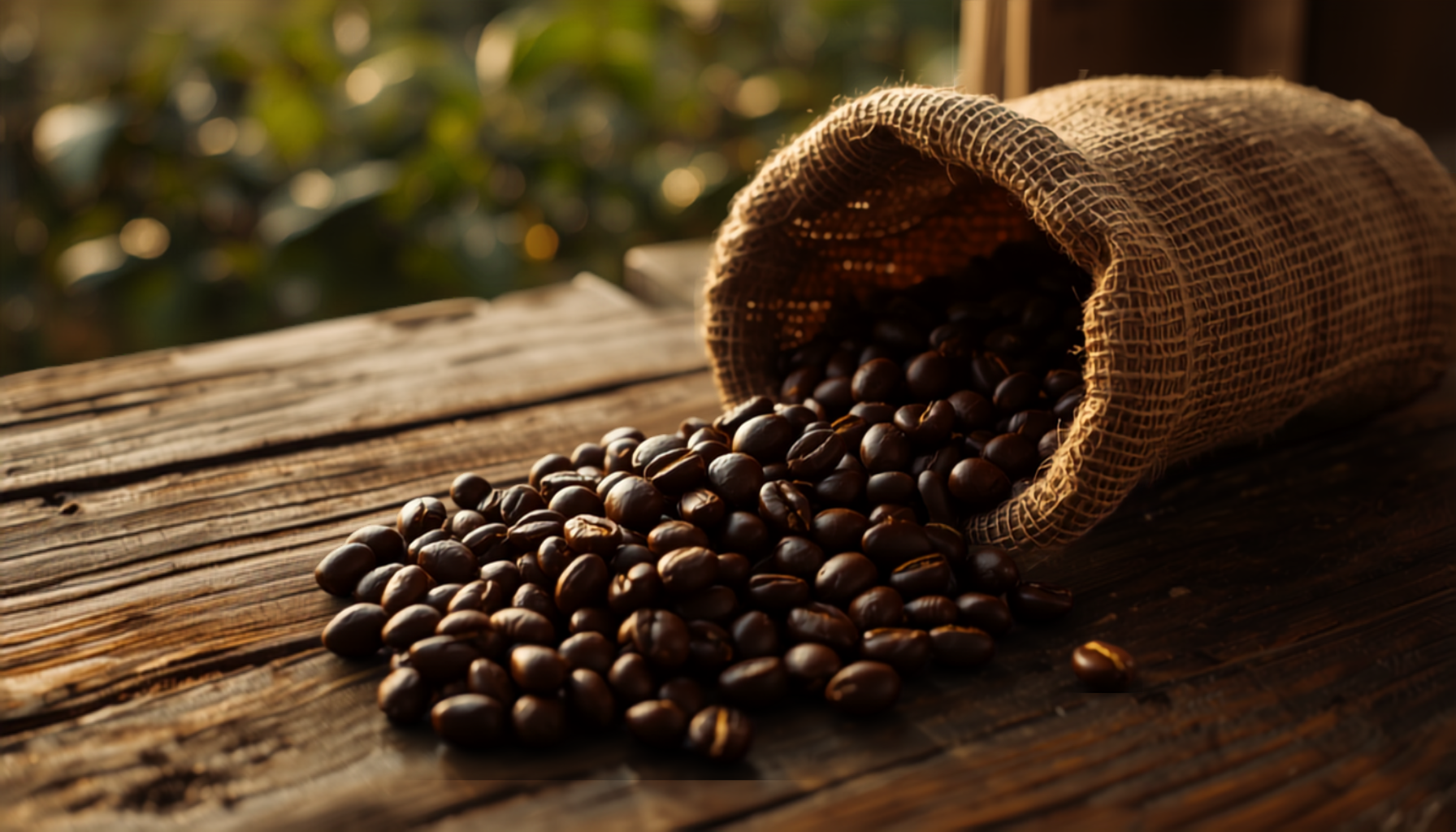
Brazil produces more coffee than any other country on Earth, so it's easy to assume "Brazilian coffee" means one single, generic thing. In reality, Brazil's coffee-growing regions vary enormously in altitude, soil and processing tradition, producing everything from bulk commercial coffee to genuinely exceptional, award-winning speciality lots. This guide explains what actually shapes Brazilian coffee's flavour, what makes it distinctive, and what to expect from a well-sourced Brazilian single origin.
The quick answer
Brazilian coffee is typically grown at moderate-to-high altitude across large highland regions, often processed using natural or pulped natural methods that leave the cherry's fruit in contact with the bean for longer. This tends to produce a smooth, low-acidity cup with natural sweetness, nutty and chocolatey character, and a heavier body — a flavour profile that's become the benchmark for what many people think of as classic, comforting coffee.
Brazil's Place in the Coffee World
Brazil has been the world's largest coffee producer for well over a century, growing coffee across a huge range of states and microclimates. That scale means Brazilian coffee spans an enormous quality range, from basic commercial-grade beans sold in bulk, right up to meticulously grown, prize-winning lots from single estates. A country producing this much coffee will inevitably supply plenty of low-grade beans, but dismissing all Brazilian coffee on that basis misses genuinely excellent speciality-grade coffee grown with real care.
Growing Conditions and Processing in Brazil
Much of Brazil's speciality coffee is grown across highland regions at altitudes broadly between 800 and 1,400 metres, generally lower than the very high-altitude regions of the Andes or East Africa, but still high enough to support genuine complexity when farmed well. Processing is where Brazilian coffee often distinguishes itself most: natural and pulped natural methods, where the cherry's fruit stays in contact with the bean for longer during drying, are widely used and tend to add extra sweetness and body to the cup, contributing to Brazilian coffee's characteristically smooth, rounded profile.
Brazil's Coffee-Growing Regions
Brazil's coffee comes from several distinct growing states, each with its own microclimate and reputation. Minas Gerais is the country's largest and most celebrated coffee-growing state, home to well-known sub-regions such as Sul de Minas, Cerrado Mineiro and Alto Mogiana Mineira, generally characterised by rolling highlands, red volcanic-influenced soil and a reliable dry season that suits sun-drying the harvest. Other significant regions include São Paulo, Espírito Santo and Bahia, each contributing a different share of the country's enormous output, with quality and character varying considerably between them.
Varieties Commonly Grown in Brazil
Brazilian coffee farms grow a range of Arabica varieties bred over decades, including Bourbon, Mundo Novo, and Catuaí — a naturally occurring cross that's popular for its disease resistance and reliable yields alongside good cup quality. Catuaí comes in both yellow and red-fruited versions; our House Roast uses Red Catuaí specifically, which tends to bring a touch more depth and sweetness to the cup compared with some other Brazilian varieties.
What Brazilian Coffee Typically Tastes Like
Classic Brazilian coffee tends towards nutty, chocolatey and sometimes fruity notes, with gentle acidity and a heavier, smoother body than many higher-altitude origins. This makes it a genuinely versatile, approachable style of coffee, often used as the backbone of espresso blends because it holds up well with milk without becoming harsh or overly bright. None of this means Brazilian coffee is simple — within that general profile, individual estates and varieties produce meaningfully different results.
Amici's Brazilian Coffee: The House Roast
Our Amici House Roast comes from the Fazenda El Dorado estate in Brazil's Alto Mogiana Mineira region, grown at 1,205 metres above sea level. It's a Red Catuaí varietal, processed using honey, pulped natural and natural methods, and has been recognised with a Cup of Excellence award — one of the most respected accolades in speciality coffee. In the cup, it offers hazelnut, mango and milk chocolate, a genuinely balanced, smooth profile that showcases what carefully farmed Brazilian coffee can achieve.
Sustainability and Farming Practices in Brazil
Brazil's scale means farming practices vary widely, from large mechanised estates to smaller family-run farms focused on quality over volume. Estates pursuing speciality-grade coffee and recognitions like Cup of Excellence typically invest heavily in careful cherry selection, controlled drying, and traceability back to a specific farm, rather than pooling harvests into large anonymous lots. Choosing a traceable, single-estate Brazilian coffee, roasted by a roasting partner with genuine sustainability credentials, is one practical way to support the more careful end of Brazilian coffee farming.
Common Misunderstandings About Brazilian Coffee
A frequent myth is that Brazilian coffee is inherently lower quality simply because Brazil produces so much of it. Scale and quality are separate questions — plenty of Brazilian farms, including Fazenda El Dorado, produce award-winning, speciality-grade lots that score highly against the same formal criteria covered in What Is Speciality Coffee? A Complete Guide. Another myth is that all Brazilian coffee tastes the same; in reality, altitude, variety and processing method all shape the final cup meaningfully, even within one country.
How to Brew Brazilian Coffee for the Best Results
Because Brazilian coffee's strengths tend to be body, sweetness and smoothness rather than bright acidity, it suits a wide range of brewing methods particularly well. It performs strongly as an espresso base, holding its own with milk, and equally well in a cafetière or moka pot where a fuller body comes through clearly. If you're using a pour-over, a slightly coarser grind can help avoid over-extracting the sweetness into bitterness, since Brazilian coffee's gentler acidity means it's less forgiving of over-extraction than a brighter, more acidic origin. A moderate water temperature, around 92-96°C, and a standard coffee-to-water ratio are usually enough to let the natural sweetness and chocolatey character come through without needing to compensate with extra strength.
Brazilian Coffee at a Glance
If you're comparing origins, Brazilian coffee generally sits at the smoother, lower-acidity, more chocolatey end of the spectrum, compared with the brighter, more fruit-forward character typical of high-altitude Andean or East African origins, discussed further in What Do Coffee Tasting Notes Actually Mean? Neither style is objectively better — it simply comes down to whether you prefer a rounder, comforting cup or a brighter, more acidic one.
Our Amici Recommendation
The Amici House Roast is the clearest way to experience what Brazilian coffee can offer at its best — a Cup of Excellence-winning single origin with hazelnut, mango and milk chocolate notes, available as whole beans or ground for espresso, pour-over or French press.
Keep Your Brazilian Coffee Coming
Once you've found a Brazilian coffee you enjoy, the simplest way to keep it stocked is a regular delivery. Our coffee subscription lets you choose your beans, your grind and your delivery frequency, so fresh coffee keeps arriving.
Why Choose Amici Coffee?
Amici Coffee is an independent UK coffee business with six carefully selected single origin coffees, each with clear origin and tasting information rather than vague blend descriptions. Beans are roasted in partnership with a certified B Corp speciality coffee roasting partner that holds the highest B Corp score of any coffee roaster we work with — a genuinely world-leading, global leader in ethical coffee roasting. You can order online for delivery, visit our café in person, or set up a subscription so your coffee never runs out.
Frequently Asked Questions
Is Brazilian coffee always low quality because Brazil produces so much of it?
No. Brazil produces coffee across an enormous quality range, from basic commercial beans to award-winning speciality lots. Scale doesn't determine quality — how the coffee is grown, processed and roasted does.
Why does Brazilian coffee taste smoother than other origins?
This is largely down to processing methods like natural and pulped natural, which leave the cherry's fruit in contact with the bean for longer, adding sweetness and body, combined with moderate growing altitudes that produce gentler acidity.
What is Cup of Excellence?
It's one of the most respected coffee competitions and certifications, recognising exceptional lots that score highly against rigorous, standardised judging criteria. It's a genuine mark of quality rather than a marketing label.
Is Brazilian coffee good for espresso?
Yes, its smooth body and lower acidity make it a popular choice for espresso and milk-based drinks, since it doesn't become harsh or overly sharp under pressure brewing.
What's the difference between natural and washed processing?
Natural processing dries the coffee cherry with the fruit still on the bean, adding sweetness and body. Washed processing removes the fruit before drying, generally producing a cleaner, brighter cup. Brazil favours natural and pulped natural methods more than most other major origins.
What is Red Catuaí, and does the variety really matter?
Red Catuaí is a widely grown Brazilian Arabica variety known for reliable yields and good cup quality. Variety does matter, alongside altitude and processing, in shaping the specific sweetness and depth a coffee shows in the cup.
Which Brazilian region does Amici's coffee come from?
Our House Roast comes from the Fazenda El Dorado estate in the Alto Mogiana Mineira region of Minas Gerais, grown at 1,205 metres above sea level.
The Bottom Line
Brazilian coffee, at its best, offers a smooth, chocolatey, well-rounded cup shaped by moderate altitude and distinctive processing methods, not the generic bulk commodity it's sometimes assumed to be. A genuinely well-sourced Brazilian single origin, like our Cup of Excellence-winning House Roast, shows exactly what the country's coffee can achieve.
Try the Amici House Roast for yourself, or set up a regular delivery so fresh coffee keeps arriving.
Share:
Colombian Coffee Explained: Why It Is So Popular
What Do Coffee Tasting Notes Actually Mean?