

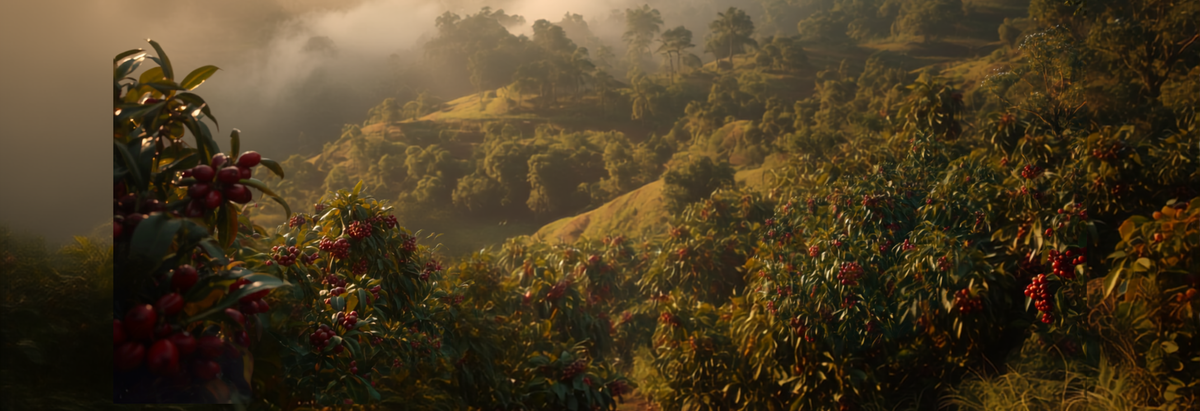
Honduras quietly became Central America's largest coffee producer, yet it rarely gets the recognition of neighbours like Guatemala or Costa Rica. That's changing fast, as the country's specialty coffee scene has grown dramatically in the last two decades. Here's what makes Honduran coffee worth paying attention to.
The quick answer
Honduran coffee typically offers a well-balanced, approachable cup with notes of caramel, milk chocolate, and mild citrus or red fruit, varying significantly by region and altitude. Despite being Central America's largest coffee producer by volume, Honduras was historically overlooked in specialty circles — a reputation that's shifted substantially as its coffee industry has invested heavily in improving quality, traceability and processing in recent years.
From Overlooked to Rising Star
For years, Honduran coffee was primarily sold as an anonymous bulk commodity, often blended with coffee from other countries and rarely marketed under its own name. That's changed considerably since the early 2000s, as government and industry investment in quality infrastructure, competitions like Cup of Excellence, and greater farmer-level traceability have helped Honduran coffee build a genuine specialty reputation distinct from its historical commodity image.
Key Growing Regions
Honduras has several distinct coffee-growing regions recognised for quality, including Copán (known for balanced, sweet, chocolatey coffee), Comayagua (often producing bright, floral cups from higher elevations), and Marcala — home to the country's first officially protected designation of origin for coffee, similar in concept to protected wine regions in Europe.
Altitude and Terrain: More Varied Than You'd Expect
Honduras has significant mountainous terrain, with many coffee farms sitting at 1,000-1,700 metres or higher. As covered in our altitude guide, this altitude range supports the kind of slower cherry maturation that produces more complex, structured coffee — part of why higher-elevation Honduran lots increasingly compete with more established neighbouring origins on quality.
Processing in Honduras
Washed processing (see our washed vs natural guide) remains the most common method in Honduras, producing the clean, balanced profile the country is best known for, though a growing number of farms are experimenting with honey and natural processing to create more distinctive, higher-value lots as the specialty market has grown.
What Honduran Coffee Actually Tastes Like
Honduran coffee tends toward a well-balanced, medium-bodied profile — caramel and milk chocolate sweetness with mild citrus or red fruit acidity, rarely as intensely bright as Kenyan coffee or as heavily fruit-forward as a natural-processed Ethiopian. It's often described as an approachable, crowd-pleasing style, though quality varies significantly between anonymous commodity lots and traceable specialty lots from named farms.
Common Misunderstandings About Honduran Coffee
A common myth is that Honduras only produces low-grade commodity coffee — while that was historically the dominant export style, the country's specialty sector has grown substantially, with some Honduran lots now winning international competitions and commanding premium prices. Another myth is that Honduran coffee is indistinguishable from its neighbours; its specific regional profiles, particularly from recognised areas like Marcala, are increasingly well-documented and distinct.
Does Amici Stock Honduran Coffee?
Not currently — our range focuses on six carefully selected coffees from Brazil, Colombia, Peru, Guatemala and Uganda. If you enjoy Honduras's balanced, chocolatey profile, our Guatemalan Single Origin offers a similarly approachable Central American cup with maple, caramel and honey notes.
Why Choose Amici Coffee?
Amici Coffee is an independent UK coffee business with six carefully selected coffees, each with clear origin and tasting information rather than vague blend descriptions. Beans are roasted in partnership with a certified B Corp speciality coffee roasting partner that holds the highest B Corp score of any coffee roaster we work with — a genuinely world-leading, global leader in ethical coffee roasting. You can order online for delivery, visit our café in person, or set up a subscription so your coffee never runs out.
Frequently Asked Questions
Is Honduras a major coffee producer?
Yes — it's Central America's largest coffee producer by volume, though it's historically been less recognised in specialty circles than smaller neighbours.
What is Marcala known for in Honduran coffee?
It's home to the country's first officially protected designation of origin for coffee, recognised for its distinctive quality.
What does Honduran coffee typically taste like?
A balanced, medium-bodied cup with caramel and milk chocolate sweetness, and mild citrus or red fruit acidity.
Has Honduran coffee quality improved recently?
Significantly — investment in quality infrastructure and traceability since the early 2000s has helped shift its reputation from bulk commodity toward genuine specialty coffee.
Does Amici sell Honduran coffee?
Not currently, but our Guatemalan Single Origin offers a similarly balanced Central American profile.
The Bottom Line
Honduras has quietly transformed from an overlooked bulk producer into a genuine specialty coffee origin, with recognised regions now producing distinctive, well-balanced coffee worth seeking out.
Explore Amici's speciality coffees and find a cup that suits your taste, or set up a regular delivery so fresh coffee keeps arriving.
Share:
How to Make Good Coffee Without a Machine
Costa Rican Coffee Explained