

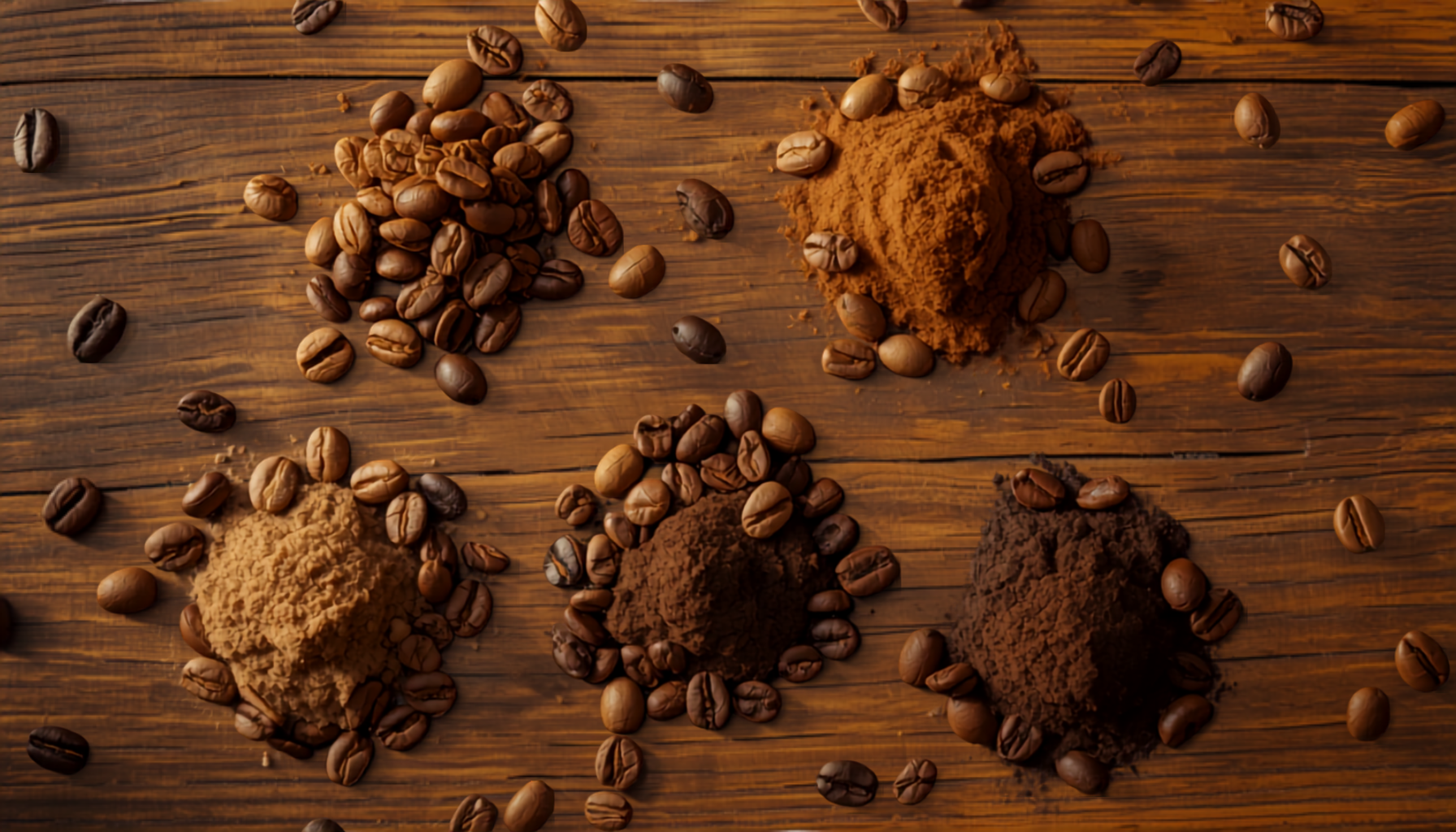
With six genuinely different single origin coffees to choose from, working out which Amici bag to buy first can feel harder than it should be. Rather than picking blind or defaulting to whatever's cheapest, it helps to think about the decision the way a barista would: what flavours do you enjoy, how do you brew at home, and do you take milk? This guide walks through all six of our coffees side by side, so you can choose the one that actually suits you rather than guessing.
The quick answer
If you want a smooth, chocolatey, milk-friendly everyday coffee, choose the Amici House Roast. If you want something brighter and more balanced, choose the Colombian Single Origin. If you want a gentler, rounder cup, try the Peruvian Single Origin. If you want clean, distinct sweetness, try the Guatemalan Single Origin. If you want a full-bodied, comforting cup, try the Ugandan Single Origin. And if you love coffee but need to cut caffeine, the Decaffeinated Arabica delivers real flavour without the trade-off.
Our Six Coffees at a Glance
Every Amici coffee is a genuine single origin with clearly documented sourcing, rather than an anonymous blend. The Amici House Roast comes from Fazenda El Dorado in Brazil, offering hazelnut, mango and milk chocolate. The Colombian Single Origin comes from Bucaramanga, Huila, Medellín and Armenia, offering sweet caramel, citrus and green grape. The Peruvian Single Origin comes from the Gonzilla estate in the Andes, offering plum, chocolate and honey. The Guatemalan Single Origin comes from Huehuetenango, offering maple, caramel and honey. The Ugandan Single Origin comes from Bugisu on Mount Elgon, offering toffee, milk chocolate and biscuit. And the Decaffeinated Arabica, processed using the chemical-free Mountain Water Process, offers brown sugar, almond and dried fruit.
If You Like Smooth and Chocolatey: House Roast
Our Amici House Roast, discussed in more depth in Brazilian Coffee Explained, is a Cup of Excellence-winning Brazilian single origin grown from Red Catuaí at 1,205 metres above sea level, using honey, pulped natural and natural processing. That processing style is a big part of why it tastes so smooth and chocolatey, with low acidity that makes it especially forgiving with milk. If you're new to single origin coffee or simply want a dependable everyday cup, this is the natural starting point.
If You Like Bright and Balanced: Colombian
The Colombian Single Origin, covered further in Colombian Coffee Explained, is fully washed and grown from Caturra, Typica and Bourbon across several of Colombia's Andean growing regions. It offers a genuinely versatile, all-day profile that balances brightness with natural sweetness, making it a strong choice if you want more acidity and complexity than the House Roast without going all the way to a very sharp, fruit-forward cup.
If You Like Rounded and Fruity: Peruvian
The Peruvian Single Origin, explained in Peruvian Coffee Explained, comes from the Gonzilla estate at 1,100–1,800 metres above sea level, grown from Typica and graded G1. Its plum, chocolate and honey character sits comfortably between brightness and smoothness, making it a genuinely gentle, approachable option for anyone exploring single origin coffee for the first time.
If You Like Clean and Sweet: Guatemalan
The Guatemalan Single Origin, explained in Guatemalan Coffee Explained, is sourced from Huehuetenango's unusually high, frost-protected volcanic slopes and grown from Bourbon, Catuaí, Caturra and Typica. Its maple, caramel and honey sweetness comes through with real clarity, particularly well suited to filter and pour-over brewing where its complexity can shine.
If You Like Full-Bodied and Comforting: Ugandan
The Ugandan Single Origin, discussed in Ugandan Coffee Explained, comes from the Bugisu region on Mount Elgon, grown from SL14, SL28 and Bourbon at altitudes up to 2,600 metres. Its toffee, milk chocolate and biscuit notes make for a smooth, full-bodied cup that suits cafetière brewing particularly well, and works nicely as a gentler espresso option for anyone who finds brighter East African coffees too sharp.
If You Need Decaf: Decaffeinated Arabica
Not everyone can or wants to drink caffeine every time they want a proper cup of coffee. Our Decaffeinated Arabica is processed using the Mountain Water Process, a chemical-free decaffeination method that preserves flavour better than older chemical-solvent techniques. Roasted dark, it offers brown sugar, almond and dried fruit, giving you genuine depth and sweetness without the caffeine trade-off, whether that's for an evening cup or simply cutting back during the day.
Choosing by Brewing Method
Your usual brewing method genuinely narrows the choice. For espresso and milk-based drinks, the House Roast and Ugandan Single Origin are the most forgiving thanks to their smoother, lower-acidity profiles. For pour-over and filter brewing, the Colombian and Guatemalan Single Origins showcase their brighter, more layered character particularly well. For a cafetière, the Peruvian and Ugandan Single Origins bring out a rounder, fuller body. Whichever method you use, our guide to making better coffee at home covers the grind and ratio adjustments worth knowing.
Choosing by Milk Preference
If you always take your coffee with milk, the House Roast and Ugandan Single Origin hold up best, since their natural sweetness and body don't get overwhelmed. If you drink your coffee black, the Colombian, Peruvian and Guatemalan Single Origins let their brighter, more distinct flavours come through clearly without needing milk to round them out.
Choosing by Experience Level
If you're completely new to single origin coffee, the House Roast or Peruvian Single Origin make the gentlest introduction, thanks to their smooth, approachable profiles. If you've already tried a few origins and want to explore further, the Colombian, Guatemalan and Ugandan Single Origins each bring something more distinct to compare against what you already know. For a deeper look at what separates single origin coffee from blends in the first place, see Single-Origin Coffee vs Coffee Blends.
Still Torn Between Two Coffees?
If you've narrowed things down to two options, it's worth thinking about what actually separates them rather than picking at random. Comparing the House Roast against the Colombian Single Origin usually comes down to smoothness versus brightness, covered in detail in Brazilian vs Colombian Coffee. Comparing the Peruvian against the Guatemalan Single Origin usually comes down to roundness versus clarity, covered in Peruvian vs Guatemalan Coffee. Reading the relevant head-to-head guide alongside this one should make the final decision noticeably easier.
Price and Value Across the Range
Prices across our six coffees sit fairly close together, from £9.95 for the House Roast up to £12.25 for the Decaffeinated Arabica, which reflects the additional cost of the Mountain Water decaffeination process rather than any difference in bean quality. As with any single origin comparison, the right choice comes down to flavour preference and brewing method rather than price.
Try Them All With a Subscription
The easiest way to work out your favourite is to try more than one without committing to a single bag upfront. Our coffee subscription lets you choose your beans, switch between origins, and adjust your grind and delivery frequency as you go, so you can build your own picture of which coffee suits you best.
Why Choose Amici Coffee?
Amici Coffee is an independent UK coffee business with six carefully selected single origin coffees, each with clear origin and tasting information rather than vague blend descriptions. Beans are roasted in partnership with a certified B Corp speciality coffee roasting partner that holds the highest B Corp score of any coffee roaster we work with — a genuinely world-leading, global leader in ethical coffee roasting. You can order online for delivery, visit our café in person, or set up a subscription so your coffee never runs out.
Frequently Asked Questions
Which Amici coffee should I buy if I'm new to single origin coffee?
The Amici House Roast or Peruvian Single Origin are the gentlest starting points, thanks to their smooth, approachable profiles and lower acidity.
Which Amici coffee is best for espresso?
The House Roast and Ugandan Single Origin are generally the most forgiving as espresso bases, particularly with milk, thanks to their smoother, lower-acidity character.
Which Amici coffee is best for pour-over or filter brewing?
The Colombian and Guatemalan Single Origins tend to showcase their brighter, more complex character particularly well through filter methods.
Do all six Amici coffees cost the same?
No, prices vary slightly by origin and processing, from £9.95 for the House Roast up to £12.25 for the Decaffeinated Arabica, though the difference reflects processing cost rather than quality.
Is Amici's decaf coffee processed with chemicals?
No, our Decaffeinated Arabica uses the Mountain Water Process, a chemical-free decaffeination method that helps preserve more of the bean's natural flavour.
Can I try more than one Amici coffee without committing to a full bag of each?
Yes, our coffee subscription lets you choose your beans and switch between origins as you go, making it easy to compare several before settling on a favourite.
Which Amici coffee is best for milk-based drinks like lattes and flat whites?
The House Roast and Ugandan Single Origin both hold up particularly well with milk, thanks to their smoother, lower-acidity profiles and natural sweetness.
The Bottom Line
There's no single "best" Amici coffee — only the one that best matches your taste, your brewing method and whether you take milk. Working through these six profiles side by side is the simplest way to find your own favourite.
Explore the full Amici range, or set up a regular delivery so fresh coffee keeps arriving.
Share:
Whole Beans vs Ground Coffee: Which Is Better?
How to Make Cafetière Coffee: A Simple Step-by-Step Guide