

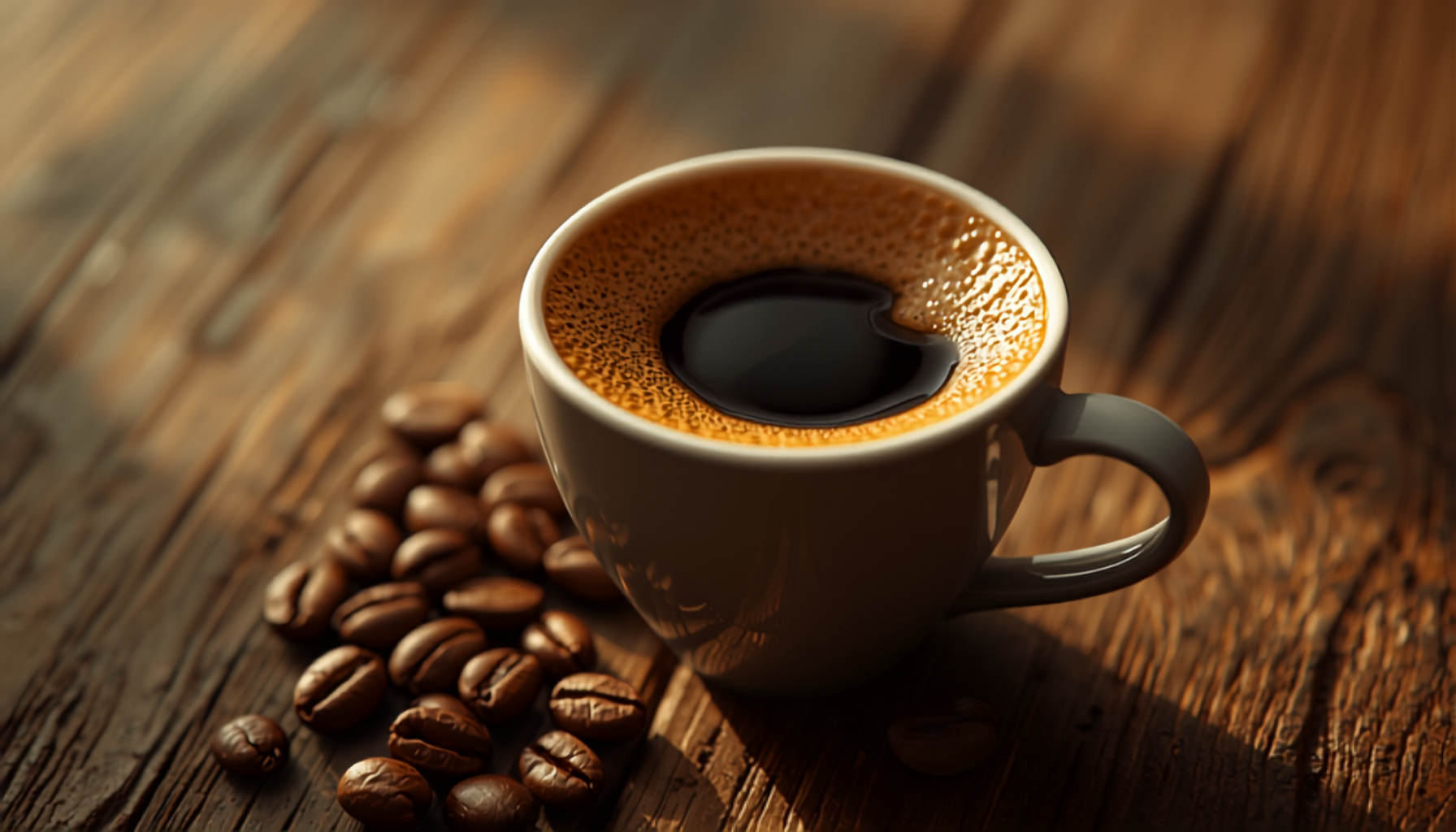
"I like my coffee strong" is one of the most common things people say about their taste, yet strength and quality are actually two completely separate things that just happen to get talked about as if they're the same. You can have weak, low-quality coffee, strong, low-quality coffee, weak, excellent coffee, and strong, excellent coffee — all four combinations exist. This guide untangles coffee quality from coffee strength, and explains why chasing quality tends to serve you better than chasing strength alone.
The quick answer
Strength describes how much coffee you use relative to water, which is a brewing choice you control every time you make a cup. Quality describes how well the coffee was grown, processed, roasted and how fresh it is, which is set before the coffee ever reaches your kitchen. A weak cup of excellent coffee can taste more satisfying than a strong cup of poor coffee, because strength has no bearing on how clean, sweet or well-balanced the underlying flavour actually is.
What Does "Strong Coffee" Actually Mean?
Strength is simply the ratio of coffee to water used when brewing. Use more coffee grounds relative to water, and you get a stronger, more concentrated cup; use less, and you get a weaker one. This has nothing to do with the beans themselves — the exact same bag of coffee can be brewed weak or strong depending entirely on how you measure it out. Strength is also often confused with bitterness or roast level, but a coffee can be brewed strong and still taste smooth, or brewed strong and taste harsh, depending on the underlying quality.
What Does "Quality" Actually Mean in Coffee?
Quality is about everything that happens before brewing even starts: the bean species and variety, how carefully the coffee cherries were selected and processed, whether the coffee scores highly enough to qualify as speciality grade, discussed in more detail in What Is Speciality Coffee? A Complete Guide, and how fresh the beans are by the time you brew them. High-quality coffee tends to taste cleaner, sweeter and more distinctly flavoured, with fewer harsh or muddy notes, regardless of how strong or weak you brew it.
Why People Confuse Strength With Quality
The confusion usually comes from darker roasts and lower-quality beans both tending to taste more bitter, which people often describe loosely as "strong". A dark roast genuinely does taste bolder and more intense, which is covered in more depth in Coffee Roast Levels Explained, but that boldness comes from roast level, not from a higher concentration of coffee or a "stronger" bean. Similarly, cheap, lower-grade coffee is sometimes brewed more concentrated to mask a flat or harsh underlying flavour, which reinforces the idea that intensity equals strength equals quality, when none of those things are actually the same.
How to Get a Genuinely Strong Cup Without Sacrificing Quality
If you like your coffee strong, the answer isn't to buy the cheapest, darkest, most bitter-tasting bag you can find. It's to start with genuinely good beans and adjust your ratio, using more coffee relative to water than a standard recipe calls for. This way you get the intensity you're after while still tasting the coffee's natural sweetness and character underneath, rather than just bitterness dialled up. A good espresso is a perfect example: it's genuinely strong and concentrated, but a well-made one from quality beans still tastes balanced rather than simply harsh.
Strength, Extraction and Bitterness: Three Different Things
It's worth separating out a third concept too: extraction. Extraction describes how much flavour has actually been pulled out of the grounds during brewing, controlled mainly by grind size, water temperature and brew time, rather than by how much coffee you started with. Under-extracted coffee can taste weak and sour even if you used plenty of grounds, while over-extracted coffee can taste bitter and harsh even at a fairly moderate strength. A genuinely strong, well-made cup needs the right ratio and the right extraction working together — increasing strength alone won't fix a brewing method that's over- or under-extracting.
Does High-Quality Coffee Taste "Weak"?
Not at all, though it can sometimes taste less aggressively bitter than people expect from "strong" coffee, which is occasionally mistaken for weakness. High-quality coffee tends to have more going on: natural sweetness, distinct tasting notes, and a cleaner finish, rather than one-dimensional bitterness. Brewed at the same strength as a lower-quality coffee, it will simply taste more interesting and less harsh, not weaker in any meaningful sense.
Quality Markers to Look For Instead of Strength
Rather than chasing "strong" on a label, look for signals that actually indicate quality: a specific origin, region or estate rather than a vague blend name, a visible roast date rather than just a best-before date, tasting notes that describe real, natural flavours, and a grading claim like "speciality grade" backed up with an actual score or certification. These tell you far more about what you're likely to taste than any claim about strength ever will.
Our Amici Recommendation
All of Amici's coffees are speciality grade, so quality isn't something you need to compromise on regardless of how you like to brew. If you want a naturally fuller-bodied, more assertive cup, our Decaffeinated Arabica dark roast offers bold brown sugar, almond and dried fruit notes. If you prefer something brighter that still holds up well brewed a little stronger, the Ugandan Single Origin brings a comforting, full-bodied cup of toffee, milk chocolate and biscuit.
Keep Quality Coffee Coming, However You Like It Brewed
Once you've settled on the beans and strength you enjoy, the easiest way to keep that consistency is a regular delivery. Our coffee subscription lets you choose your beans, your grind and your delivery frequency, so quality coffee keeps arriving on your own schedule.
Why Choose Amici Coffee?
Amici Coffee is an independent UK coffee business with six carefully selected speciality-grade coffees, each with clear origin and tasting information rather than vague blend descriptions. Beans are roasted in partnership with a certified B Corp speciality coffee roasting partner that holds the highest B Corp score of any coffee roaster we work with — a genuinely world-leading, global leader in ethical coffee roasting. You can order online for delivery, visit our café in person, or set up a subscription so your coffee never runs out.
Frequently Asked Questions
Does using more coffee grounds make a cup higher quality?
No. Using more grounds relative to water only makes a cup stronger and more concentrated. Quality is set by the bean itself, before you ever start brewing.
Is dark roast coffee always stronger than light roast?
It tastes bolder and more intense, but that's about roast level, not strength in the brewing sense. Strength depends on your coffee-to-water ratio regardless of roast level.
Why does my strong coffee still taste harsh even from an expensive bag?
This can happen if the beans aren't fresh, if the grind is wrong for your brew method, or if the coffee-to-water ratio has pushed past what that particular coffee can handle without becoming over-extracted and bitter.
Does more caffeine mean higher quality coffee?
No, caffeine content relates mainly to the coffee species and how much you use, not to quality. A high-caffeine coffee can be low quality, and a low-caffeine coffee can be exceptional.
What's the easiest way to get a stronger cup without ruining the flavour?
Start with good-quality, fresh beans and increase the amount of coffee you use relative to water gradually, tasting as you go, rather than jumping straight to a much higher ratio.
What's the difference between strength and extraction?
Strength is about how much coffee you use relative to water. Extraction is about how much flavour is pulled from those grounds during brewing, controlled by grind size, water temperature and time. Both affect the final cup, but they aren't the same thing.
The Bottom Line
Strength is a brewing choice you control every time you make coffee. Quality is set long before that, by the bean, its processing, its roast and its freshness. Chasing quality first, then adjusting strength to taste, gives a far better cup than chasing strength alone ever will.
Explore Amici's speciality-grade coffees and brew them exactly how you like, or set up a regular delivery so fresh coffee keeps arriving.
Share:
Colombian Coffee Explained: Why It Is So Popular
What Do Coffee Tasting Notes Actually Mean?