

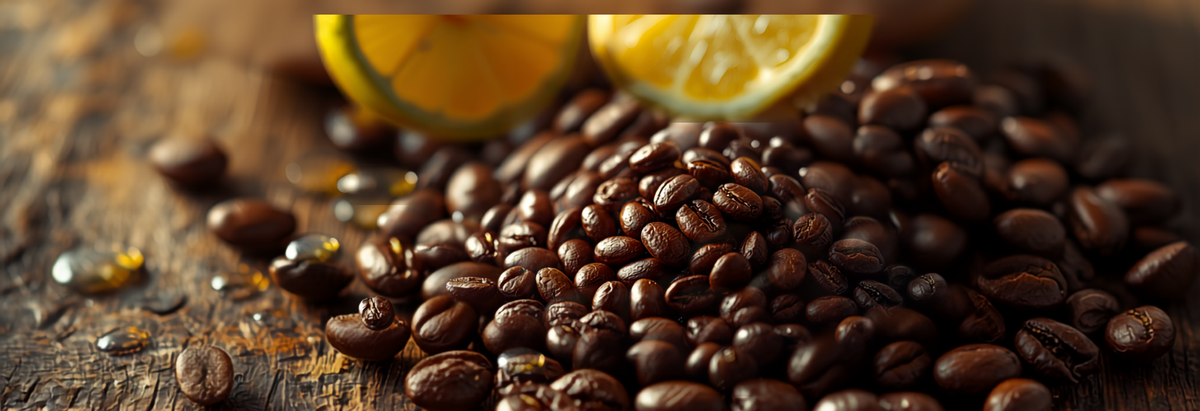
"Acidity" is one of the most misunderstood words in coffee. Said out loud it sounds like a warning label, yet among roasters and baristas it's one of the highest compliments a coffee can receive. This guide explains what acidity actually means in a cup of coffee, what causes it, why it isn't the same thing as sourness or stomach trouble, and how to use it to find a coffee that suits your taste.
The quick answer
In coffee tasting, acidity refers to a bright, lively, tangy quality in the flavour — often compared to citrus fruit, green apple or berries — rather than a measure of pH or how "acidic" the coffee is in a chemical sense. High-acidity coffees taste crisp and vibrant; low-acidity coffees taste rounder, softer and more mellow. Neither is objectively better. It's a matter of origin, altitude, processing and roast level, and ultimately personal taste.
What "Acidity" Actually Means in Coffee
When coffee professionals talk about acidity, they mean a perceived brightness or liveliness on the palate, the same quality that makes a squeeze of lemon or a bite of green apple feel sharp and refreshing. It's one of the main building blocks of flavour, alongside body, sweetness and aroma. A coffee described as "bright" or "vibrant" is really being praised for its acidity — it's part of what separates an interesting, well-defined cup from a flat, dull one.
Acidity vs Sourness: They Are Not the Same Thing
This is where most of the confusion starts. Sourness is what you get when acidity is unbalanced or the coffee hasn't been brewed or roasted well — a sharp, vinegary, unpleasant note. Acidity, done well, is balanced by sweetness and body, so it reads as bright and juicy rather than sour. A quality specialty coffee can have pronounced acidity and still taste completely smooth and enjoyable, while a poorly brewed or stale coffee can taste sour with barely any genuine acidity at all. If a coffee tastes unpleasantly sharp, the more likely culprits are under-extraction, stale beans or water that's too cool, rather than the bean itself being "too acidic".
What Causes Coffee Acidity
Acidity comes from naturally occurring acids in the coffee bean — chlorogenic, citric and malic acids among them — and how prominent they are in the cup depends on several factors working together. Altitude is one of the biggest: beans grown higher up mature more slowly in cooler air, which tends to concentrate these acids and produce a brighter, more complex cup. Origin and variety matter too, discussed in more depth in our origin guides such as Colombian Coffee Explained. Processing method and, most controllably for you as a drinker, roast level also play a major part.
How Roast Level Changes Perceived Acidity
Roasting has one of the biggest effects on how acidic a coffee tastes, regardless of where the bean is from. Lighter roasts preserve more of a bean's original acids, so they taste brighter and more vibrant. As roasting continues into medium and dark territory, those acids break down and are replaced by deeper, more caramelised, roasted flavours, which is why dark roasts taste rounder and less sharp. Our guide to Coffee Roast Levels goes into this in more detail — if you know you prefer a mellow, low-acid cup, roast level is usually the single easiest lever to pull.
High-Acid vs Low-Acid Coffee: What to Expect in the Cup
A higher-acidity coffee tends to taste crisp, juicy and layered, with fruit, citrus or floral notes standing out clearly — the kind of cup that keeps revealing new flavours as it cools. A lower-acidity coffee tastes softer, heavier and more rounded, often leaning towards chocolate, nut or caramel notes with a fuller body. Neither style is "correct" — it comes down to what you enjoy drinking and, sometimes, how your stomach responds to different coffees, discussed below.
Does Coffee Acidity Affect Your Stomach?
Some people find brighter, higher-acid coffees less comfortable to drink on an empty stomach, and it's genuinely common for people to gravitate towards darker, lower-acid roasts for this reason. That said, sensitivity to coffee varies a lot from person to person and depends on more than acidity alone, including caffeine content and how strong the brew is. If you've noticed you get on better with darker roasts, that's a perfectly good reason to lean that way — this article isn't medical advice, so if digestive discomfort is a regular or serious issue, it's worth speaking to a GP or pharmacist rather than relying on roast level alone.
Common Misunderstandings About Coffee Acidity
The biggest myth is that "acidic" coffee is automatically poor quality or harsh. In reality, specialty roasters often chase acidity deliberately, because it's a sign of a well-grown, carefully processed bean with genuine character. Another common mix-up is assuming darker roasts have "no acid" — every coffee retains some acidity, dark roasts simply have much less of it than light roasts, and what remains is masked by stronger roasted flavours. Finally, acidity is not the same as caffeine strength; a bright, high-acid light roast and a bold dark roast can contain a very similar amount of caffeine.
How to Choose a Coffee Based on Acidity Preference
If you enjoy a crisp, fruit-forward cup, look for single-origin coffees from higher-altitude regions, roasted light to medium, and read the tasting notes on the bag for words like "citrus", "berry" or "green apple". If you prefer something smoother and more mellow, look for medium-to-dark roasts with notes like "chocolate", "nut" or "caramel". Reading a bag's tasting notes is a far more reliable guide than guessing from the origin name alone.
Our Amici Recommendation
If you enjoy a bright, lively cup, our Colombian Single Origin is a great place to start, with sweet caramel, citrus and green grape acidity in a lively, all-day cup. If you'd rather ease off the acidity altogether, our Decaffeinated Arabica is a dark roast with brown sugar, almond and dried fruit notes and a smooth, rounded finish, with 99.9% of its caffeine naturally removed.
Why Choose Amici Coffee?
Amici Coffee is an independent UK coffee business with six carefully selected coffees, each with clear origin and tasting information rather than vague blend descriptions. Beans are roasted in partnership with a certified B Corp speciality coffee roasting partner that holds the highest B Corp score of any coffee roaster we work with — a genuinely world-leading, global leader in ethical coffee roasting. You can order online for delivery, visit our café in person, or set up a subscription so your coffee never runs out.
Frequently Asked Questions
Is high-acid coffee bad for you?
Not inherently — acidity is a normal, often desirable flavour characteristic. Some people find high-acid coffee less comfortable on the stomach, in which case a lower-acid, darker roast may suit you better.
Does dark roast coffee have no acidity at all?
No. Every coffee retains some acidity; dark roasting simply reduces it significantly and masks what remains with deeper, roasted flavours.
Is acidic coffee the same as sour coffee?
No. Balanced acidity tastes bright and pleasant; sourness usually signals a brewing issue, such as under-extraction, or beans that are stale.
Does altitude really change how acidic a coffee tastes?
Yes. Coffee grown at higher altitudes generally develops more pronounced acidity because the beans mature more slowly in cooler conditions.
How can I tell if a coffee will be high or low in acidity before I buy it?
Check the roast level and tasting notes on the bag. Lighter roasts with citrus or berry notes tend to be higher in acidity; medium-to-dark roasts with chocolate or nut notes tend to be lower.
The Bottom Line
Acidity is a natural, often desirable part of a coffee's flavour, not a flaw — the trick is finding the level that suits your own taste and, if relevant, your stomach. Roast level and origin are your two biggest levers for dialling it up or down.
Explore Amici's speciality coffees and find a cup that suits your taste, or set up a regular delivery so fresh coffee keeps arriving.
Share:
What Is a Coffee Cupping Score? How Coffee Quality Is Measured
How to Try New Coffee Origins Without Committing