

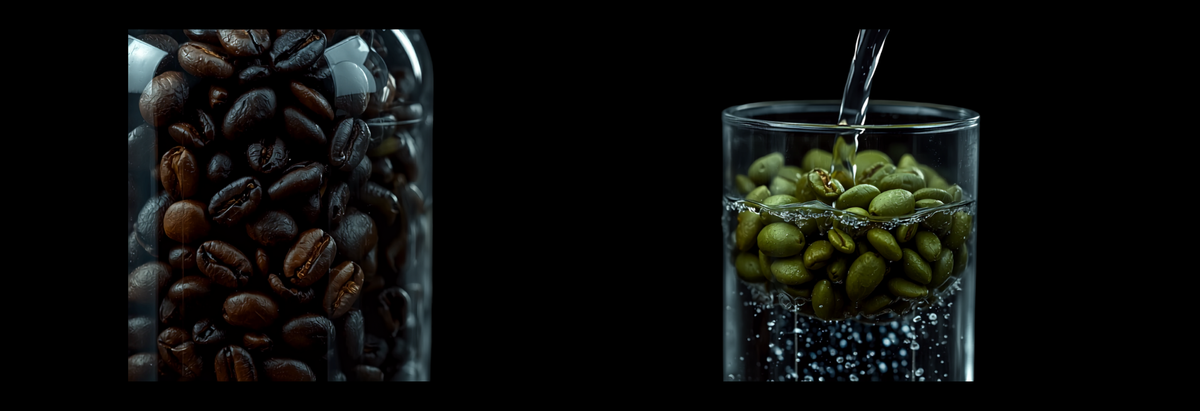
Decaf coffee has a reputation problem — a lot of people assume it means a watery, flavourless compromise. That reputation is increasingly outdated. This guide covers how coffee is actually decaffeinated, the different methods used, and whether decaf really has to taste noticeably different from regular coffee.
The quick answer
Decaffeination happens before roasting, using one of a few methods to remove caffeine from green (unroasted) coffee beans while trying to preserve as much of the bean's natural flavour compounds as possible. The best modern methods, particularly water-based processes, remove around 97-99.9% of caffeine with minimal impact on taste. A well-made decaf, from good quality beans and processed with a gentle method, can taste remarkably close to its caffeinated counterpart — the biggest differences in decaf quality usually come from the beans and roasting, not the fact that it's decaffeinated.
How Decaffeination Actually Works
All decaffeination happens on green, unroasted coffee beans, before they're shipped to a roaster. The beans are first steamed or soaked to open their pores, then exposed to a solvent or process that draws out caffeine molecules, before being dried back down and shipped for roasting as normal. The different decaffeination methods mainly differ in what's used to actually extract the caffeine, and how much of the bean's other flavour compounds get pulled out along with it.
Water-Based Processes (Including Mountain Water and Swiss Water)
Water-based decaffeination methods use a caffeine-saturated water solution rather than chemical solvents to draw caffeine out of the beans, relying on the principle that caffeine will migrate from a highly concentrated bean into a less concentrated (but caffeine-saturated) solution, while the water's existing saturation with other flavour compounds helps the beans retain more of their natural taste. These methods are widely considered the gold standard for preserving flavour while achieving a very high caffeine removal rate, and are chemical-solvent-free. Our own Decaffeinated Arabica uses exactly this kind of process — see our dedicated guide to the Mountain Water Process for a full breakdown of how it works.
CO2 Process
The CO2 method uses pressurised liquid carbon dioxide to selectively bond with and extract caffeine molecules from the beans, without significantly affecting other flavour compounds. It's considered highly selective and gentle on flavour, though the equipment required is expensive, meaning it's typically used by larger-scale operations rather than smaller specialty roasters.
Chemical Solvent Methods
Some decaffeination methods use direct chemical solvents (commonly ethyl acetate or methylene chloride) applied directly to the beans to dissolve and remove caffeine. Ethyl acetate is sometimes marketed as "naturally derived" since it can be produced from fruit, though the chemical used in processing is typically synthetically manufactured rather than literally extracted from fruit. These methods are generally cheaper than water-based or CO2 processes, which is part of why some lower-cost decaf can taste noticeably more muted or altered than water-processed alternatives.
Does Decaf Really Taste Different?
Some flavour difference is almost unavoidable, since removing caffeine also affects some of the bean's other compounds to varying degrees depending on the method used — but the size of that difference varies enormously depending on the decaffeination process and the quality of the underlying beans. A well-processed decaf from good quality beans, water-decaffeinated and roasted thoughtfully, can taste remarkably close to a caffeinated equivalent, while a poorly processed or low-quality decaf can taste flat or slightly papery. If your only decaf experience has been a generic supermarket jar, a specialty water-processed decaf is worth trying with fresh expectations.
Is Decaf Completely Caffeine-Free?
No decaffeination method removes 100% of caffeine — the best modern methods, including Mountain Water and Swiss Water processing, typically remove around 99.9% of it, leaving a very small residual amount. For most people this is a negligible quantity, but if you're avoiding caffeine for a specific medical reason, it's worth checking with a healthcare professional about what residual level is appropriate for you, since "decaf" doesn't mean zero caffeine.
Common Misunderstandings About Decaf
A common myth is that all decaf is processed with harsh chemicals — water-based and CO2 methods are widely used and chemical-solvent-free, so it's worth checking which process a specific decaf uses rather than assuming the worst. Another myth is that decaf is inherently lower quality — the underlying bean quality and roasting matter just as much for decaf as for regular coffee, and a well-sourced decaf from good beans can outperform a poorly made caffeinated coffee.
How to Choose a Good Decaf
Look specifically for the decaffeination method stated on the bag — Mountain Water Process, Swiss Water Process or CO2 processing are generally the gentlest on flavour and chemical-solvent-free. Beyond the method, treat decaf bean quality the same way you would regular coffee: check the origin, roast level and tasting notes rather than assuming "decaf" is a single undifferentiated category.
Our Amici Recommendation
Our Decaffeinated Arabica is a dark roast, processed using the chemical-free Mountain Water Process with 99.9% of caffeine naturally removed, offering brown sugar, almond and dried fruit tasting notes — proof that decaf doesn't have to mean a compromise on flavour.
Why Choose Amici Coffee?
Amici Coffee is an independent UK coffee business with six carefully selected coffees, each with clear origin and tasting information rather than vague blend descriptions. Beans are roasted in partnership with a certified B Corp speciality coffee roasting partner that holds the highest B Corp score of any coffee roaster we work with — a genuinely world-leading, global leader in ethical coffee roasting. You can order online for delivery, visit our café in person, or set up a subscription so your coffee never runs out.
Frequently Asked Questions
Is decaf coffee completely caffeine-free?
No. Even the best decaffeination methods leave a small residual amount of caffeine, typically removing around 99.9% of it.
Does decaf always taste worse than regular coffee?
Not necessarily. A well-processed decaf from good quality beans, particularly one that's water-decaffeinated, can taste very close to its caffeinated equivalent.
What's the difference between the Mountain Water Process and chemical solvent decaffeination?
The Mountain Water Process uses only water to remove caffeine, with no chemical solvents involved, while other methods use direct chemical solvents like ethyl acetate or methylene chloride.
Is CO2-processed decaf chemical-free?
It uses pressurised carbon dioxide rather than traditional chemical solvents, and is generally considered gentle on flavour, though it requires expensive specialist equipment.
Should people avoiding caffeine for medical reasons still be cautious with decaf?
Yes — since decaf isn't completely caffeine-free, it's worth checking with a healthcare professional about what residual level is appropriate for your situation.
The Bottom Line
Modern decaffeination, especially water-based methods, can preserve flavour remarkably well — decaf no longer has to mean a flat, compromised cup. Choosing a decaf processed with a gentle, chemical-free method and made from good quality beans is the key to enjoying it properly.
Explore Amici's speciality coffees and find a cup that suits your taste, or set up a regular delivery so fresh coffee keeps arriving.
Share:
Kenyan Coffee Explained: Why It's Prized by Roasters
How to Read a Coffee Bag Label