

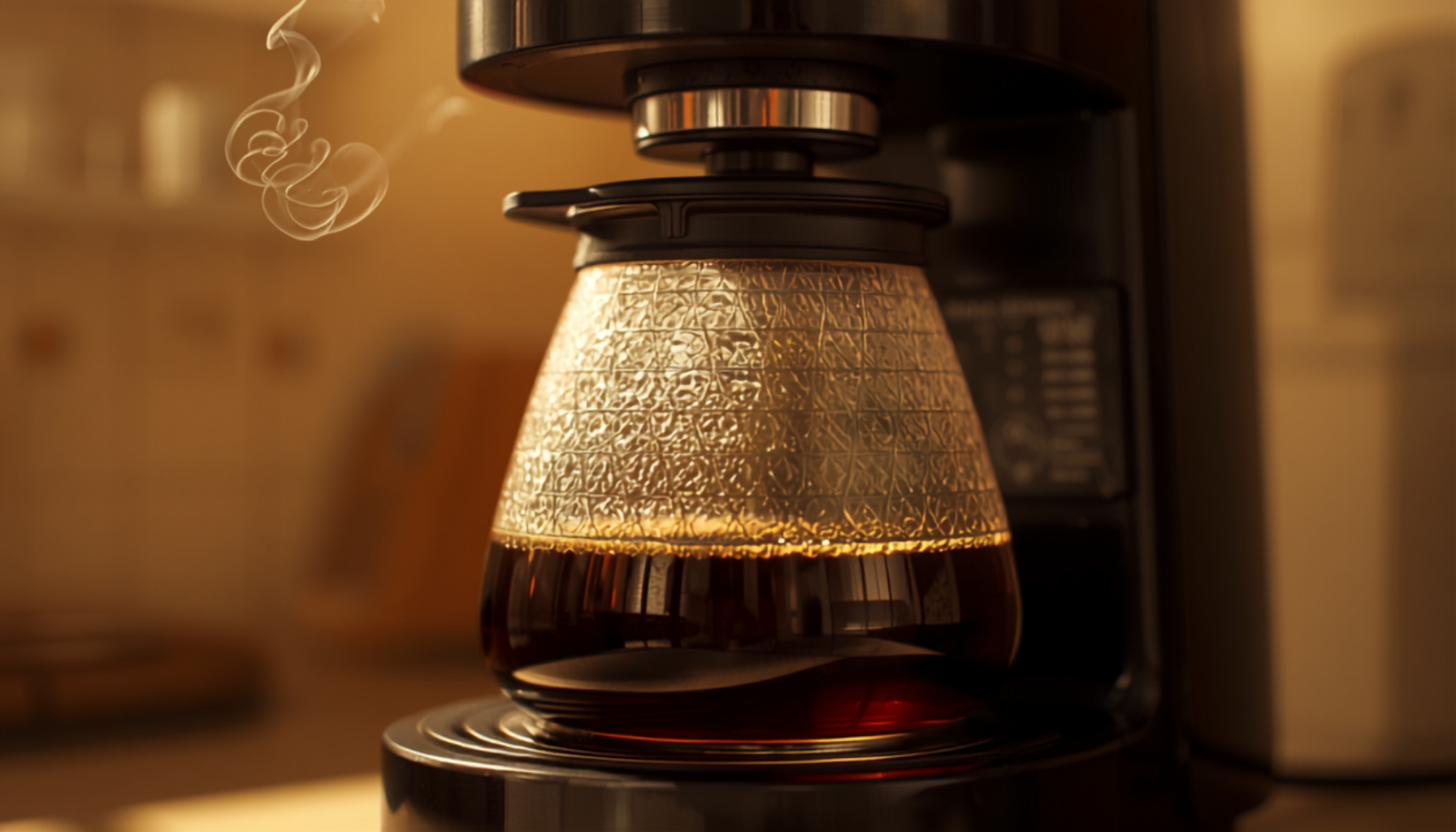
An electric filter coffee machine is one of the most convenient ways to brew coffee at home, but it's also one of the easiest to get wrong without realising it, since the machine hides most of the variables that actually determine how your coffee tastes. If your filter coffee keeps coming out weak, watery or bitter, the fix is almost always one of a handful of simple, fixable factors. This guide walks through exactly how to make filter coffee that avoids both extremes.
The quick answer
Weak filter coffee is almost always caused by using too little coffee or too coarse a grind, while bitter filter coffee is almost always caused by using too much coffee for too little water, too fine a grind, or a machine that's overdue a descale. Aim for a ratio of around 1:16 coffee to water, a medium grind, and a machine that's cleaned and descaled regularly, and most weak-or-bitter complaints disappear.
What You'll Need
You need an electric filter coffee machine, paper filters sized correctly for your machine, freshly roasted coffee ground to a medium consistency, filtered or fresh tap water, and ideally a set of kitchen scales. Scales make a bigger difference than most people expect, since eyeballing scoops is one of the most common sources of inconsistency between one brew and the next.
Step-by-Step: Setting Up Your Filter Machine
Start by filling your machine's water reservoir with the amount of water you intend to brew, then weigh out your coffee separately rather than relying on the scoop that came with the machine, since scoop sizes vary and rarely match your actual ratio target. Add the ground coffee to the filter basket, spreading it evenly rather than piling it to one side, then start the brew cycle. Once brewing finishes, give the carafe a gentle swirl to even out the flavour before pouring, since coffee can settle unevenly, especially in larger batches.
Getting Your Coffee-to-Water Ratio Right
The single biggest cause of weak filter coffee is simply not using enough coffee for the amount of water in the machine. A ratio of around 1 gram of coffee for every 16 grams of water is a solid general starting point — for a 1-litre brew, that's roughly 63g of coffee. If you've been using the scoop that came with your machine and your coffee tastes consistently weak, weighing your coffee properly is usually the single most effective fix available to you.
Getting the Grind Right for Filter Machines
Most filter machines are designed around a medium grind, similar in texture to granulated sugar, and getting this wrong pushes you towards one extreme or the other. Too coarse, and water passes through too quickly, under-extracting the coffee and leaving it weak and thin even at the correct ratio. Too fine, and water drains too slowly, over-extracting the coffee and leaving it bitter, and can also cause the filter basket to overflow. If your machine has a flow-rate issue — brewing much faster or slower than the manufacturer's stated time — grind size is usually the culprit.
Water Quality and Temperature
Filter machines generally heat water to somewhere around 92–96°C automatically, which is close to the ideal range for extraction, so this is rarely something you need to adjust manually. Water quality, however, is worth paying attention to: heavily chlorinated or very hard tap water can noticeably affect flavour, sometimes adding a flat or slightly off taste regardless of how good your beans are. Using filtered water, even just from a basic jug filter, is a simple change that often improves the cup more than people expect.
Machine Maintenance: Why Descaling Matters
Limescale builds up inside a filter machine's internal heating element over time, particularly in hard water areas, and this buildup can slow water flow, lower brewing temperature, and add a subtle off taste to your coffee. Descaling your machine every one to three months, depending on your local water hardness and how often you brew, keeps both the flow rate and the temperature consistent, both of which directly affect whether your coffee tastes weak, balanced or bitter. A neglected, heavily scaled machine is one of the most overlooked causes of consistently disappointing filter coffee.
Common Reasons Filter Coffee Tastes Weak
Weak filter coffee usually comes down to one of three things: too little coffee for the amount of water, too coarse a grind, or stale beans that have lost much of their original flavour. Beans lose freshness steadily after roasting, so coffee that's been sitting in a cupboard for a couple of months will taste noticeably flatter than the same coffee brewed within a few weeks of its roast date, however correctly you brew it.
Common Reasons Filter Coffee Tastes Bitter
Bitter filter coffee usually comes down to too much coffee for the amount of water, too fine a grind, a machine overdue a descale, or coffee left sitting on a hotplate for too long after brewing, which continues to cook and degrade it. If your machine has a hotplate that keeps the carafe warm, try to pour and drink your coffee within 20–30 minutes of brewing rather than leaving it to sit for an hour or more.
Batch Brewing vs Single-Serve Filter Machines
Larger batch-brew machines and smaller single-serve filter machines behave slightly differently, and it's worth knowing which one you own. Batch machines typically need a fuller basket to distribute water evenly across a wider filter, so brewing a very small amount in a machine designed for a full carafe can lead to uneven extraction and a thin, inconsistent cup, even at the correct ratio. Single-serve machines are generally more forgiving at smaller volumes, but can struggle to hold consistent temperature if brewing multiple cups back to back without a rest. If you regularly brew much less than your machine's full capacity, it's often worth using a smaller machine, or a manual method like pour-over, instead of underfilling a large one.
Which Amici Coffee Suits Filter Machines Best?
Filter machines suit a genuinely wide range of coffees, but if you want a brighter, more distinct cup, our Colombian Single Origin and Guatemalan Single Origin both showcase their character well through filter brewing. If you prefer a smoother, easy-drinking everyday cup, the Amici House Roast performs reliably through a filter machine too. For a broader comparison of all six of our coffees by brewing method, see Which Amici Coffee Should You Choose?
Keep Fresh Coffee Coming
Since freshness has such a direct effect on filter coffee specifically, keeping a steady supply of recently roasted beans matters more than with some other methods. Our coffee subscription lets you choose your beans, your grind and your delivery frequency, so fresh coffee keeps arriving exactly when you need it.
Why Choose Amici Coffee?
Amici Coffee is an independent UK coffee business with six carefully selected single origin coffees, each with clear origin and tasting information rather than vague blend descriptions. Beans are roasted in partnership with a certified B Corp speciality coffee roasting partner that holds the highest B Corp score of any coffee roaster we work with — a genuinely world-leading, global leader in ethical coffee roasting. You can order online for delivery, visit our café in person, or set up a subscription so your coffee never runs out.
Frequently Asked Questions
Why does my filter coffee always taste weak?
The most common cause is using too little coffee for the amount of water. Try weighing your coffee properly, aiming for a ratio of around 1:16, rather than relying on a scoop.
Why does my filter coffee taste bitter?
This usually points to too much coffee for the water used, too fine a grind, a machine overdue a descale, or coffee left too long on a hotplate after brewing.
How often should I descale my filter coffee machine?
Roughly every one to three months, depending on how hard your local water is and how frequently you brew. A scaled-up machine can lower brewing temperature and affect flavour.
What grind size should I use for a filter machine?
A medium grind, similar to granulated sugar, suits most electric filter machines. Adjust finer or coarser if your brew time is consistently too fast or too slow.
Does water quality really affect filter coffee?
Yes, noticeably. Heavily chlorinated or very hard tap water can add an off taste, and simple filtered water often improves the cup more than people expect.
How long can filter coffee sit before it starts tasting bad?
Ideally within 20–30 minutes of brewing. Coffee left on a hotplate for longer continues to cook and typically develops a more bitter, stale taste.
The Bottom Line
Filter coffee that tastes weak or bitter almost always comes down to a fixable factor: ratio, grind, freshness, water quality or machine maintenance. Get those right and an ordinary electric filter machine can produce a genuinely satisfying, well-balanced cup every day.
Explore Amici's range of single origin coffees, or set up a regular delivery so fresh coffee keeps arriving.
Share:
Whole Beans vs Ground Coffee: Which Is Better?
Which Amici Coffee Should You Choose?