

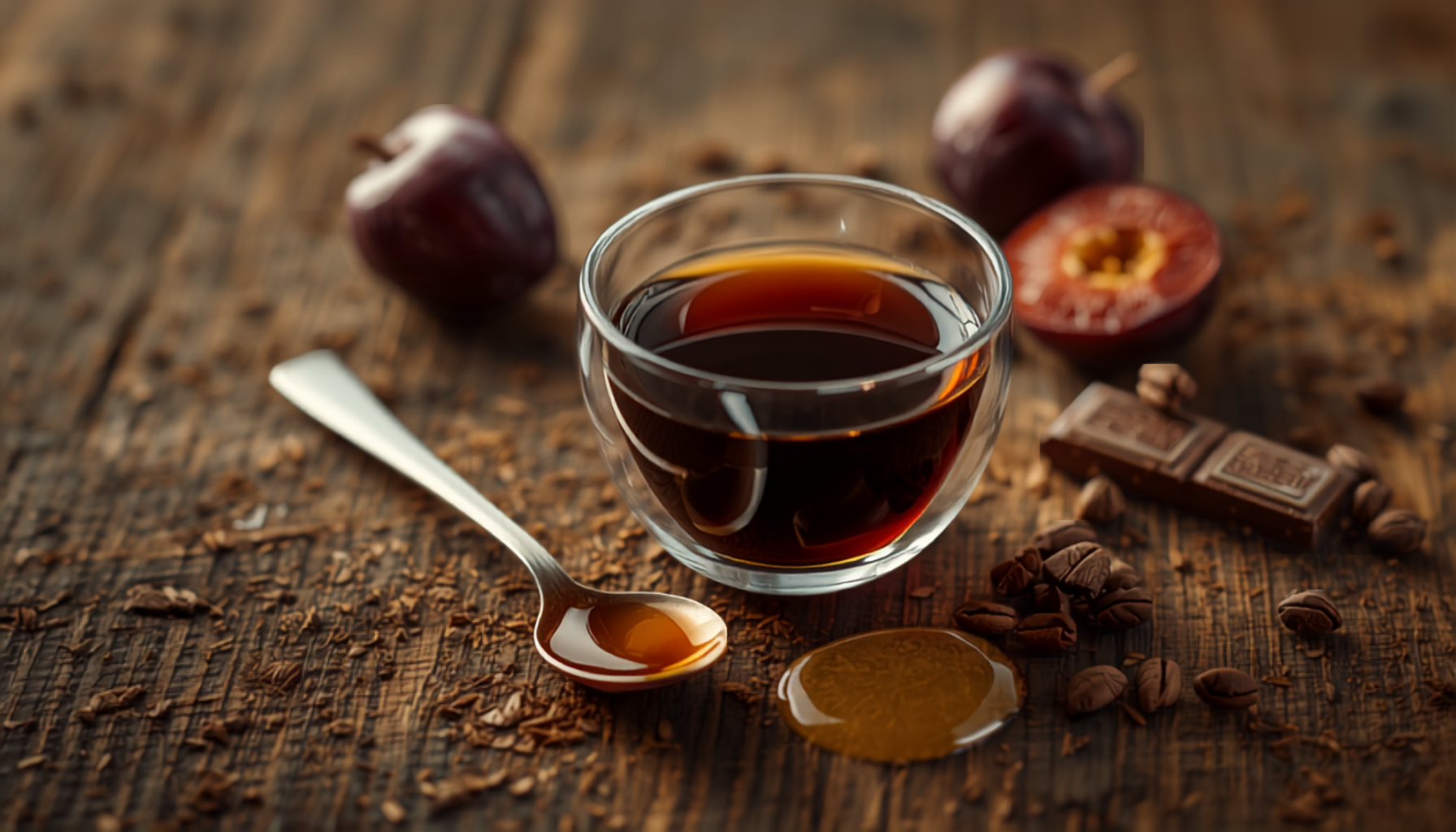
"Notes of plum, chocolate and honey." "Hazelnut, mango and milk chocolate." Read enough coffee bags and phrases like these start to sound almost like wine labels, which leaves plenty of people wondering whether they're genuine descriptions or just marketing flourish. They're real, and they mean something specific. This guide explains where tasting notes actually come from, how trained tasters arrive at them, and how to start noticing them yourself in whatever you're brewing at home.
The quick answer
Tasting notes describe the natural flavours and aromas a coffee genuinely produces in the cup, identified by trained tasters during a formal process called cupping. They aren't flavourings added at the roastery — they come from the coffee variety, the soil and altitude it grew in, how the cherries were processed, and the roast level applied. Learning to recognise a handful of common categories, like fruity, nutty or chocolatey, is the easiest way to start noticing them for yourself.
Are Tasting Notes Real, or Just Marketing?
They're real, though it's easy to see why people are sceptical. Speciality coffee is graded by trained tasters against a formal scoring system, covered in more depth in What Is Speciality Coffee? A Complete Guide, and tasting notes are simply the written record of what those tasters detected in the cup. No flavourings are added to speciality coffee — every note on the bag reflects something that happened naturally, from the coffee plant to your cup.
Where Do Tasting Notes Actually Come From?
Four things mainly shape a coffee's flavour: the variety of coffee plant, the terroir it grew in (soil, altitude and climate), how the ripe cherries were processed after picking, and the roast level applied afterwards. A coffee grown at high altitude in mineral-rich volcanic soil will naturally develop different sugars and acids to one grown at lower altitude in different conditions, which is why the same variety can taste noticeably different depending on where it's farmed.
How Cupping Turns Flavour Into Written Notes
Professional tasters, known as cuppers, taste brewed coffee samples using a standardised method: smelling the dry grounds, then the wet grounds once hot water is added, then slurping the brewed coffee loudly to spray it across the palate and evaluate aroma, sweetness, acidity, body, balance and aftertaste. Cuppers are trained to recognise and name specific flavour compounds consistently, which is how a note like "plum" or "green grape" ends up as an agreed, repeatable description rather than one person's personal impression.
Common Tasting Note Categories Explained
Most tasting notes fall into a handful of broad families, and real examples from Amici's own range show how differently the same broad categories can express themselves:
- Fruity notes — like the plum, chocolate and honey in our Peruvian Single Origin, or the citrus and green grape in our Colombian Single Origin — often point to naturally higher acidity and are common in coffees grown at higher altitudes.
- Nutty notes — such as the hazelnut in our Amici House Roast, or the almond in our Decaffeinated Arabica — tend to bring a rounder, more familiar sweetness to the cup.
- Chocolatey and caramel notes — including the milk chocolate in the House Roast, the caramel in our Guatemalan Single Origin, and the toffee and milk chocolate in our Ugandan Single Origin — usually come through more strongly at medium roast levels.
- Dried fruit and brown sugar notes — as found in our Decaffeinated Arabica — often develop from a darker roast profile drawing out deeper caramelisation.
Why the Order of Tasting Notes Matters
Tasting notes are usually listed roughly in order of prominence, from the flavour that tends to stand out most to the more subtle ones underneath. In a note like "plum, chocolate, honey", plum is typically the most immediately noticeable, chocolate often comes through in the body and aftertaste, and honey tends to appear as a lingering sweetness once the cup has cooled slightly. Reading notes this way — rather than expecting all three to hit at once, all the time — makes them much easier to spot in practice.
Why Two People Can Taste the Same Coffee Differently
Flavour perception is genuinely personal. Genetics affect how sensitive someone is to bitterness or sweetness, prior experience shapes what flavours a person can name even when they taste them, and something as simple as recently eating something strongly flavoured can temporarily affect your palate. This is why tasting notes are best treated as a helpful guide rather than a strict promise — you might pick up on the chocolate in a cup more easily than the plum, and that's completely normal.
How to Train Your Palate to Notice Tasting Notes
The easiest way to start is to taste with intention rather than just drinking on autopilot. Smell the coffee before you taste it, since aroma carries much of what you'll perceive as flavour. Take a moment before your first sip to think about what you're expecting to taste based on the bag, then see whether you agree once you've actually tasted it. Freshness matters here too, since aroma and flavour clarity fade as coffee ages, which is covered in more detail in Why Fresh Coffee Beans Make Such a Difference. Tasting familiar coffees side by side, rather than one at a time days apart, also makes differences much easier to notice.
Our Amici Recommendation
If you'd like to start training your palate on something approachable, the Amici House Roast offers a clear, well-balanced trio of hazelnut, mango and milk chocolate that's easy to pick apart. If you want a brighter, more fruit-forward comparison, try it alongside the Peruvian Single Origin, with its plum, chocolate and honey character.
Keep Exploring Tasting Notes With a Subscription
The best way to genuinely understand tasting notes is to try several coffees rather than sticking to just one. Our coffee subscription lets you choose your beans, your grind and your delivery frequency, so you can work your way through Amici's range at your own pace.
Why Choose Amici Coffee?
Amici Coffee is an independent UK coffee business with six carefully selected coffees, each with clear origin and tasting information rather than vague blend descriptions. Beans are roasted in partnership with a certified B Corp speciality coffee roasting partner that holds the highest B Corp score of any coffee roaster we work with — a genuinely world-leading, global leader in ethical coffee roasting. You can order online for delivery, visit our café in person, or set up a subscription so your coffee never runs out.
Frequently Asked Questions
Are coffee tasting notes flavourings added to the beans?
No. Speciality coffee is not flavoured. Tasting notes describe natural flavours that trained tasters detected in the cup, shaped by variety, growing conditions, processing and roast level.
Why can't I taste what the bag describes?
Flavour perception varies a lot between people, and factors like recent food, freshness of the coffee, and how you're brewing can all affect what comes through. It doesn't mean the tasting notes are wrong, just that everyone's palate picks up on things slightly differently.
Do tasting notes change between batches of the same coffee?
They can shift slightly, since coffee is an agricultural product and conditions vary harvest to harvest, but a reputable roaster's tasting notes should stay broadly consistent for a given origin and roast.
Is it normal to only taste one or two notes rather than all of them?
Completely normal. Tasting notes describe the range of flavours present, not flavours you're guaranteed to notice all at once. Picking up on even one or two is a good sign your palate is engaging with the coffee.
Does the way I brew coffee affect which tasting notes come through?
Yes. Grind size, water temperature and brew method all influence which flavours are extracted most strongly, which is why the same coffee can taste subtly different brewed as an espresso versus a pour-over.
The Bottom Line
Tasting notes are a genuine, trained description of a coffee's natural flavour, not a marketing invention. Once you know roughly where they come from, it becomes much easier — and more enjoyable — to start noticing them in your own cup.
Explore Amici's speciality coffees and see how many of their tasting notes you can pick out, or set up a regular delivery so fresh coffee keeps arriving.
Share:
Colombian Coffee Explained: Why It Is So Popular
Single-Origin Coffee vs Coffee Blends: Which Should You Choose?