

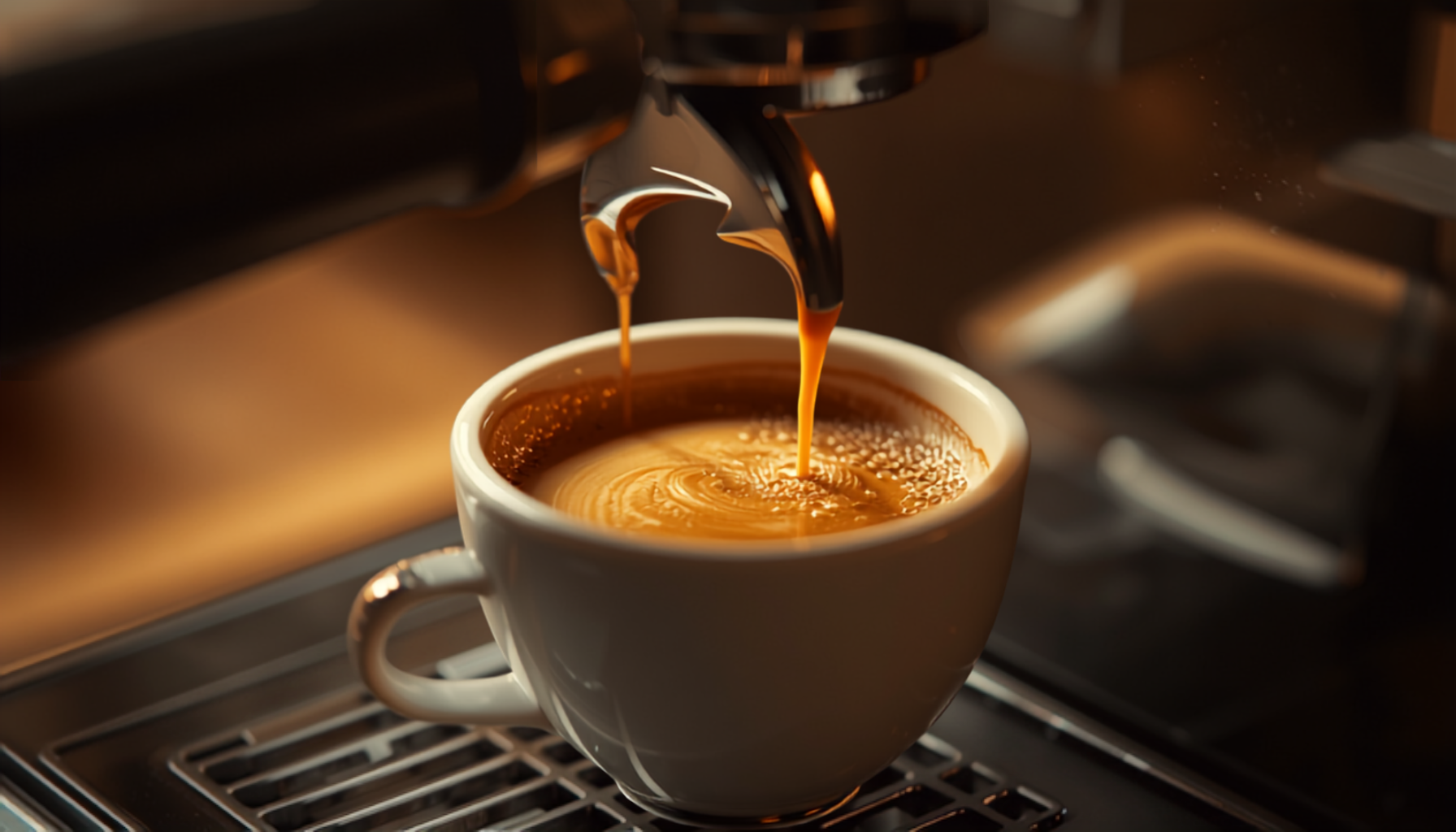
Espresso extraction can sound intimidating, full of numbers and ratios that seem more suited to a lab than a kitchen counter. In reality, it comes down to three simple, measurable variables — dose, yield and time — and understanding how they relate to each other is what separates guessing from genuinely repeatable espresso. Once you understand this relationship, troubleshooting a bad shot stops feeling like trial and error and starts feeling like a straightforward diagnostic process. This guide explains what espresso extraction actually means and how to use it to brew consistently good shots.
The quick answer
Espresso extraction is measured through three variables: dose (the dry coffee weight), yield (the liquid espresso weight in the cup) and time (how long the shot takes to pour). A common starting recipe is an 18–20g dose, a 36–40g yield — roughly a 1:2 ratio — pulled in around 25–30 seconds. Adjusting grind size is the main way to bring an off-target shot back into this range.
What Extraction Actually Means
Extraction refers to how much soluble material — flavour compounds, oils, acids and sugars — water pulls out of ground coffee during brewing. Under-extracted espresso hasn't pulled enough of these compounds out, typically tasting sour and thin. Over-extracted espresso has pulled too much out, typically tasting bitter and harsh. A well-extracted shot sits in the balanced middle, where sweetness, acidity and body come together rather than any one dominating.
The Three Core Variables: Dose, Yield and Time
Dose is the dry weight of ground coffee in your portafilter basket before brewing, typically 18–20g for a standard double basket. Yield is the weight of liquid espresso collected in the cup, typically around double the dose for a standard shot. Time is how long the shot takes to pour, from the moment water first touches the coffee to the moment you stop it, typically 25–30 seconds for this style of shot. All three work together — change one, and the others usually need to shift too, or the grind needs adjusting to compensate.
Understanding Brew Ratio for Espresso
The relationship between dose and yield is often expressed as a ratio, much like our coffee-to-water ratio guide covers for other brewing methods. A 1:2 ratio, meaning twice as much liquid espresso as dry coffee by weight, is a widely used standard recipe, sometimes called a "normale". Shorter ratios, closer to 1:1 to 1:1.5, produce a more concentrated ristretto-style shot; longer ratios, closer to 1:2.5 to 1:3, produce a more diluted lungo-style shot. None of these is inherently correct — they simply produce different styles of espresso.
Under-Extraction vs Over-Extraction
Under-extraction typically happens when a shot pours too quickly for its dose and grind combination, not giving water enough time or contact to pull out a full range of flavour compounds, leaving a sour, thin, sometimes salty-tasting shot. Over-extraction typically happens when a shot pours too slowly, giving water too much time in contact with the coffee, pulling out excessive bitter compounds and leaving a harsh, often astringent shot. Our guides to espresso pouring too fast and espresso pouring too slowly cover the specific causes and fixes for each in more depth.
How Extraction Time Relates to Grind Size
Grind size is the primary lever for controlling extraction time at a fixed dose and yield. A finer grind slows water flow, extending extraction time and pulling more compounds out — useful if a shot is finishing too quickly and tasting sour. A coarser grind speeds water flow, shortening extraction time and pulling fewer compounds out — useful if a shot is finishing too slowly and tasting bitter. This is the same core relationship covered in our guide to dialling in a grinder.
Reading Your Shot: Visual Cues
Beyond timing and tasting, watching how your shot pours gives useful feedback. A healthy shot generally starts slowly, builds to a steady stream around the thickness of warm honey, and gradually lightens in colour from dark reddish-brown towards a paler blonde as extraction nears completion — many baristas stop the shot around the point the stream visibly starts turning pale, since the final portion contributes disproportionately more bitterness than flavour. Uneven streams, spurting, or one side of the portafilter pouring faster than the other usually point to channelling rather than a straightforward timing issue.
Recipe Styles: Ristretto, Normale and Lungo
A ristretto uses a shorter ratio, roughly 1:1 to 1:1.5, producing a smaller, more concentrated, syrupy shot with intensified sweetness and body. A normale uses the standard roughly 1:2 ratio most people mean by "a shot of espresso". A lungo uses a longer ratio, roughly 1:2.5 to 1:3, producing a larger, more diluted shot that draws out more bitter compounds alongside the coffee's other characteristics. Trying the same beans as all three styles, one after another in the same session, is a genuinely useful way to understand how ratio changes flavour independently of grind size, dose or bean choice.
Adjusting Extraction to Taste
Once you understand the dose, yield and time relationship, adjusting to your own taste becomes straightforward. Prefer a punchier, more intense shot? Try a shorter ratio. Prefer something milder and more approachable, especially for milk-based drinks? Try a slightly longer ratio. Whatever direction you go, change the ratio deliberately and adjust grind size to hit your new target time, rather than changing several variables simultaneously.
The Role of Pressure in Espresso Extraction
Espresso is defined partly by pressure, typically around nine bars, forced through the coffee puck by the machine's pump. This pressure is what allows extraction to happen so quickly, in seconds rather than minutes, and is also what produces crema, the layer of golden-brown foam on top of a well-pulled shot. Most home espresso machines are designed to deliver roughly this pressure automatically, so it isn't usually something you need to adjust directly, though an unevenly prepared puck can cause pressure to build unevenly, leading to channelling regardless of your machine's settings.
How Water Temperature Affects Extraction
Water temperature interacts with the same extraction principles covered in our brewing temperature guide, though espresso machines typically manage this within a narrower, more tightly controlled range than manual methods. Slightly hotter water extracts a bit more readily, which can help with darker roasts that are naturally more soluble, while slightly cooler water can suit lighter roasts that risk tasting harsh at higher temperatures. Most machines don't require manual adjustment here, but it's worth knowing this variable exists if you're troubleshooting a shot that still tastes off despite correct dose, yield and grind.
Common Extraction Mistakes
The most common mistake is chasing a specific shot time without paying attention to dose and yield, when all three genuinely need to be considered together. Another is assuming one universal recipe works for every bean, when roast level, freshness and origin can all shift what tastes best from the same dose and time. A third is judging extraction on time alone without tasting, since a shot can finish within the "right" time window and still taste unbalanced if the underlying grind, dose or freshness is off.
Which Amici Coffee Suits Espresso Extraction?
Our Amici House Roast, with its smooth, low-acidity, chocolatey character, is a genuinely forgiving coffee for practising extraction adjustments, since it tends to taste balanced across a slightly wider ratio range than brighter origins. For a full comparison of all six of our coffees, see Which Amici Coffee Should You Choose?
Keep Fresh Coffee Coming
Since bean freshness affects how predictably a shot extracts, keeping a steady supply of recently roasted beans makes dialling in your extraction easier. Our coffee subscription lets you choose your beans, your grind and your delivery frequency, so fresh coffee keeps arriving exactly when you need it.
Why Choose Amici Coffee?
Amici Coffee is an independent UK coffee business with six carefully selected single origin coffees, each with clear origin and tasting information rather than vague blend descriptions. Beans are roasted in partnership with a certified B Corp speciality coffee roasting partner that holds the highest B Corp score of any coffee roaster we work with — a genuinely world-leading, global leader in ethical coffee roasting. You can order online for delivery, visit our café in person, or set up a subscription so your coffee never runs out.
Frequently Asked Questions
What is a good starting espresso ratio?
A 1:2 ratio, meaning roughly double the liquid yield compared with your dry dose, is a widely used standard starting point, adjustable to taste from there.
How long should an espresso shot take to pour?
Around 25–30 seconds is a common benchmark, though this varies by recipe style, machine and personal preference.
What's the difference between a ristretto, a normale and a lungo?
They differ mainly by ratio — ristretto is more concentrated with a shorter ratio, normale is the standard roughly 1:2 shot, and lungo is more diluted with a longer ratio.
Why does my espresso taste different even with the same dose and time?
Bean freshness, roast level and grind consistency can all affect flavour even when dose and time are identical, since they influence how evenly and fully the coffee extracts.
Should I judge my espresso by time or by taste?
Both together. Time and yield get you close to a good starting point, but tasting the result is what actually confirms whether the shot is balanced.
Does a longer shot always taste more bitter?
Generally, yes, since more time in contact with water extracts more compounds, including bitter ones, though a well-balanced longer shot can still taste good if the grind and dose are adjusted accordingly.
Do I need to adjust pressure or temperature myself when troubleshooting extraction?
Usually not. Most home espresso machines manage pressure and temperature automatically within a suitable range, so grind size, dose and yield are the variables you'll adjust most often.
The Bottom Line
Espresso extraction comes down to three connected variables — dose, yield and time — that together determine whether a shot tastes balanced, sour or bitter. Understanding how they relate to each other turns espresso from guesswork into a repeatable, adjustable process.
Explore Amici's range of single origin coffees, or set up a regular delivery so fresh coffee keeps arriving.
Share:
How to Steam Milk for Lattes and Cappuccinos
Why Is My Espresso Pouring Too Fast?