

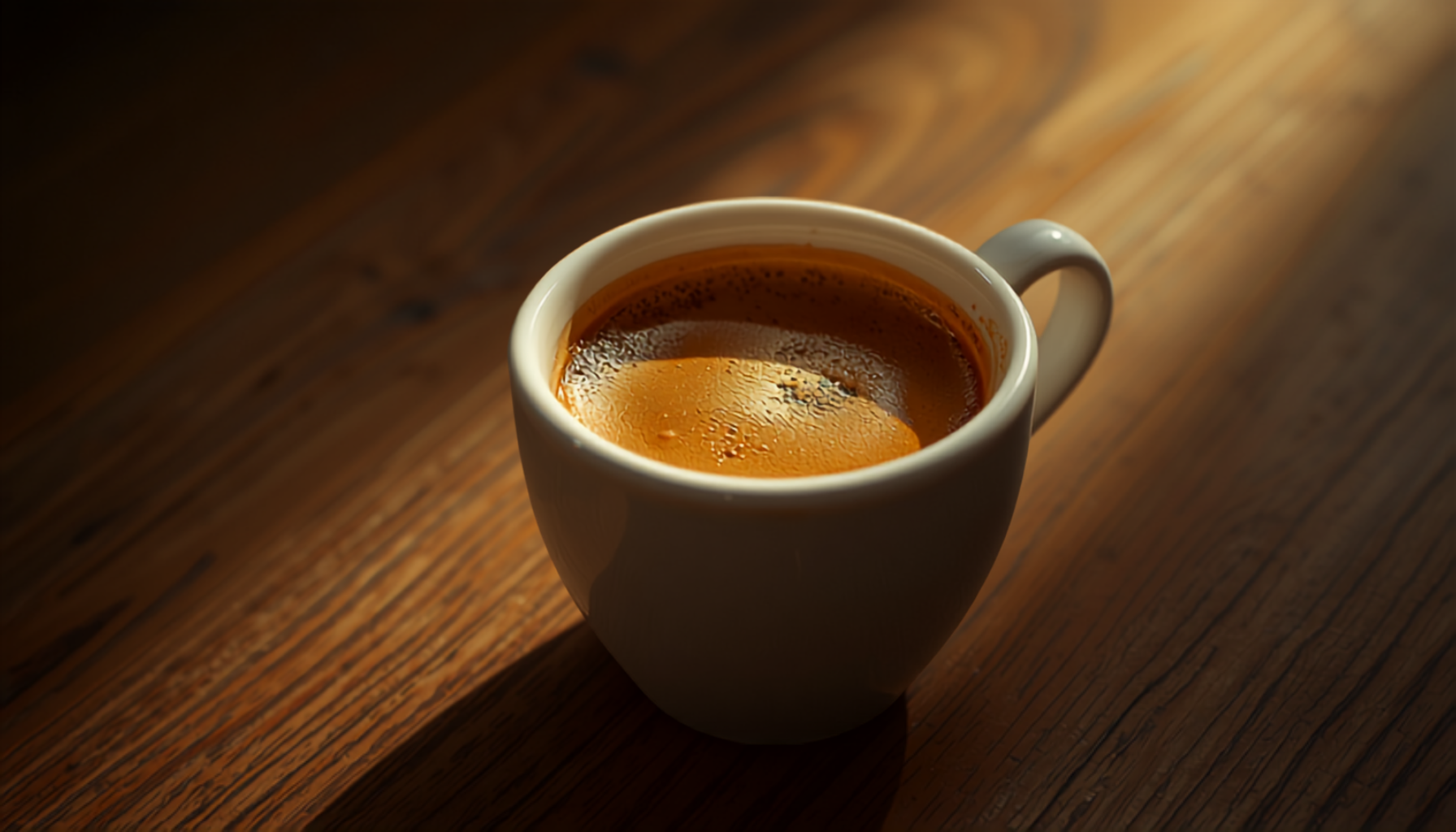
Crema, the golden-brown foam layer that sits on top of a well-pulled espresso shot, is one of the first things people notice about a good coffee, and one of the most common things home baristas want more of. While crema alone isn't a perfect measure of quality, a thin, pale or fast-disappearing layer often does point to something worth adjusting. This guide explains what actually produces crema and how to get more of it consistently.
The quick answer
Crema comes from fresh, correctly roasted beans, a properly dialled-in grind and dose, and adequate pressure during extraction. To improve it, use beans within a few weeks of their roast date, make sure your grind size and dose are correctly matched to your basket, and check that your machine is building proper pressure. Very old or stale beans are the single most common cause of thin, disappointing crema.
What Crema Actually Is
Crema is a foam made up of tiny bubbles of carbon dioxide gas, trapped in a mixture of oils, proteins and melanoidins that are emulsified during high-pressure extraction. It forms because espresso is brewed under roughly nine bars of pressure, forcing gas out of the coffee and into suspension in a way that gentler brewing methods, like a cafetière or pour-over, simply can't replicate. This is part of what makes espresso visually and texturally distinct from other coffee.
Why Bean Freshness Is the Biggest Factor
Freshly roasted beans are full of trapped carbon dioxide gas, released gradually over the weeks following roasting. This trapped gas is a major contributor to crema, which is why beans roasted within the last one to three weeks typically produce noticeably more crema than beans that are a month or two old. As beans age, this gas dissipates, and crema becomes thinner, paler and quicker to disappear, even if your grind, dose and technique haven't changed at all.
Why Roast Level Matters Too
Darker roasts generally produce more visible crema than lighter roasts, since the roasting process itself creates more of the melanoidin compounds that help crema form and hold together. This doesn't mean darker roasts are better coffee — crema volume isn't a reliable indicator of flavour quality — but it does explain why two equally fresh beans can produce visibly different amounts of crema depending on how they were roasted.
How Grind Size and Dose Affect Crema
A grind that's too coarse lets water pass through too quickly, extracting less material and producing thinner, less stable crema. A grind that's correctly dialled in, alongside an accurately weighed dose matched to your basket size, gives water enough resistance and contact time to properly emulsify oils and gas into a fuller, longer-lasting crema layer. This is the same core relationship covered in our guide to dialling in a grinder and our grind size guide, and getting your dial-in right is one of the most direct ways to improve crema.
The Role of Machine Pressure
Espresso's roughly nine-bar pressure, covered in more depth in our guide to espresso extraction, is what allows crema to form in the first place, so a machine that isn't reaching or maintaining this pressure will struggle to produce good crema regardless of your beans or grind. Worn seals, a pump that's losing pressure, or scale build-up inside the machine can all quietly reduce pressure over time. If crema has gotten noticeably worse over weeks or months without any change to your beans or grind, it's worth considering whether your machine needs servicing or descaling.
Puck Preparation and Even Extraction
An unevenly distributed or poorly tamped puck can cause channelling, where water rushes through weak spots rather than passing evenly through the coffee bed. This uneven extraction typically produces patchy, uneven crema, sometimes with visibly thinner patches or gaps, even when your beans and grind are otherwise good. Distributing grounds evenly before tamping, and tamping level and firmly, supports more even extraction and, in turn, more even crema.
Does More Crema Mean Better Espresso?
Not necessarily. Crema volume is influenced heavily by bean freshness and roast level, neither of which is a direct measure of flavour quality. A very fresh, darker roast can produce abundant crema while tasting flat or one-dimensional, while a slightly more rested, lighter roast can produce a thinner crema layer while tasting considerably more complex and balanced. Crema is a useful diagnostic signal, particularly for spotting stale beans or extraction problems, but it shouldn't be treated as the ultimate measure of a good shot.
Common Mistakes That Reduce Crema
The most common mistake is simply using beans that are past their best, often without realising how much freshness affects crema specifically compared with other qualities like flavour. Another is grinding too coarse in an attempt to speed up a slow shot, which can reduce crema by cutting extraction short. A third is neglecting machine maintenance, assuming a slow decline in crema must be a beans problem when a build-up of scale or old coffee oils inside the machine is equally likely.
How to Improve Your Crema, Step by Step
Start with beans roasted within the last few weeks, ideally with a visible roast date rather than a vague best-before date. Confirm your grind and dose are properly dialled in using the process covered in our dial-in guide, checking that your shot pours within the expected 25–30 second window. Distribute and tamp your puck evenly to avoid channelling. Finally, if crema has declined gradually over time despite consistent beans and technique, check whether your machine is due a clean or descale.
Which Amici Coffee Produces the Best Crema?
Our Amici House Roast, roasted with hazelnut, mango and milk chocolate notes, produces rich, consistent crema when used fresh and correctly dialled in, making it a reliable choice for espresso specifically. Since crema depends so heavily on freshness, pairing any of our beans with a shorter time between roast and brew will generally give you noticeably better results than beans that have been sitting for a month or more.
Keep Fresh Coffee Coming
Since freshness is the single biggest factor in good crema, a steady supply of recently roasted beans makes a genuine difference. Our coffee subscription lets you choose your beans, your grind and your delivery frequency, so fresh coffee keeps arriving exactly when you need it.
Why Choose Amici Coffee?
Amici Coffee is an independent UK coffee business with six carefully selected single origin coffees, each with clear origin and tasting information rather than vague blend descriptions. Beans are roasted in partnership with a certified B Corp speciality coffee roasting partner that holds the highest B Corp score of any coffee roaster we work with — a genuinely world-leading, global leader in ethical coffee roasting. You can order online for delivery, visit our café in person, or set up a subscription so your coffee never runs out.
Frequently Asked Questions
What causes crema on espresso?
Crema forms from carbon dioxide gas and oils emulsified under the roughly nine-bar pressure used in espresso brewing, mostly influenced by bean freshness and roast level.
Why is my crema thin or disappearing quickly?
Almost always down to beans that are past their freshest weeks, though a machine losing pressure or an incorrectly dialled-in grind can also contribute.
Do darker roasts always have more crema?
Generally, yes, since darker roasting produces more of the compounds that help crema form, though this doesn't necessarily mean darker roasts taste better.
Does more crema mean better-tasting espresso?
Not necessarily. Crema volume is a useful diagnostic signal but isn't a direct measure of flavour quality, since it's heavily influenced by freshness and roast level.
How fresh should beans be for good crema?
Within roughly one to three weeks of roasting tends to produce the most noticeable crema, though this varies somewhat by bean and roast level.
Can my machine affect how much crema I get?
Yes. A machine that isn't reaching or maintaining proper pressure, often due to scale build-up or worn seals, will struggle to produce good crema regardless of your beans.
The Bottom Line
Good crema comes down to fresh beans, a properly dialled-in grind and dose, even puck preparation, and a machine maintaining proper pressure. Start with freshness, since it makes the single biggest difference, then work through your technique and equipment if crema still isn't where you'd like it.
Explore Amici's range of single origin coffees, or set up a regular delivery so fresh coffee keeps arriving.
Share:
How to Steam Milk for Lattes and Cappuccinos
Espresso Extraction Explained: Time, Dose and Yield