

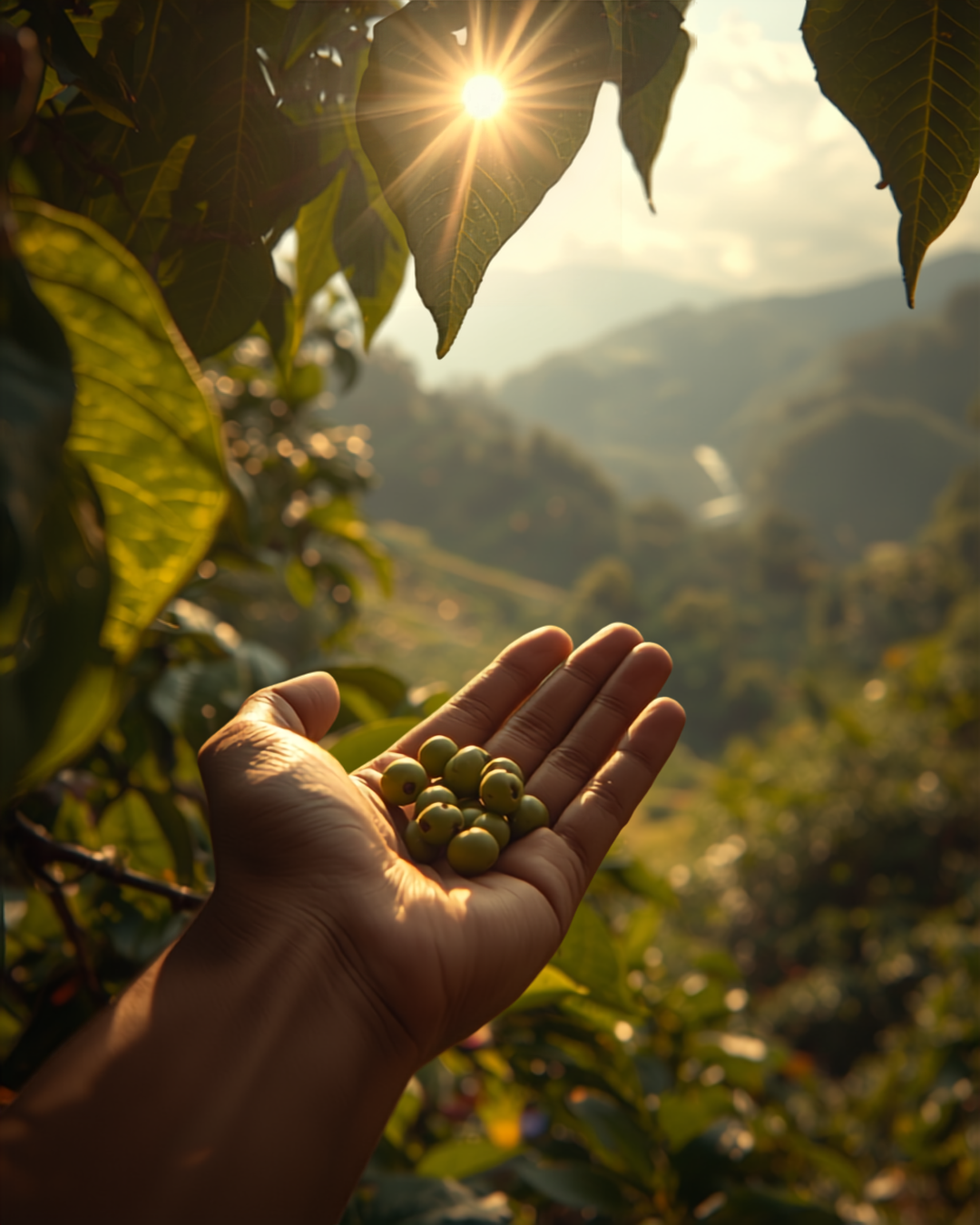
"Ethically sourced" is one of the most common phrases on a bag of coffee, and one of the least defined. It can mean a fully audited, farm-to-cup supply chain with independent certification — or it can mean almost nothing at all, printed on the label because it sounds reassuring. This guide explains what the phrase should actually cover, and how to tell a genuine claim from a vague one.
The quick answer
Ethically sourced coffee should mean four specific things: full traceability back to the farm or cooperative it came from, fair pricing paid directly to the people who grew it, meaningful investment in the communities that grow it, and environmental responsibility across processing and roasting. If a supplier can't tell you specifically which of these its coffee delivers, the label is doing more marketing than informing.
Why the Phrase Gets Used So Loosely
Unlike "organic" or "Fairtrade", which are protected terms tied to independent certification schemes, "ethically sourced" isn't regulated. Any coffee business can print it on a bag without having to prove anything specific. That doesn't mean the phrase is meaningless — plenty of roasters and importers back it up with real practice — but it does mean the burden is on the buyer to ask what's actually behind it, rather than taking the words at face value.
Traceability: Knowing Where Your Coffee Actually Came From
Genuine ethical sourcing starts with traceability — knowing exactly which farm, cooperative or region a coffee came from, how it was processed, and who was involved at each stage. This is different from a bag that simply says "Colombian" or "blend of origins" with no further detail. At Amici, every coffee we supply is sourced to be fully traceable, which is why our Peruvian, Guatemalan, Ugandan and Colombian single origins each list the specific estate or region, altitude and processing method behind the beans, rather than a vague country name alone.
Fair Pricing Paid Directly to Farmers
A second, often-overlooked part of ethical sourcing is who actually receives the money. Coffee has historically passed through several middlemen between farm and roaster, each taking a margin before the price reaches the grower. Genuine ethical sourcing means verified fair pricing paid directly to farmers, supporting living wages and economic stability, rather than prices set several steps removed from the people doing the growing. This is a core part of the sourcing partnership behind every Amici coffee, detailed in full on our Coffee Credentials page.
Community Investment Beyond the Farm Gate
Ethical sourcing at its best goes further than a fair price for the beans themselves. It includes investment into the wider community — education, healthcare access, and infrastructure in the regions coffee is grown. This kind of investment is what turns a single fair transaction into long-term, sustainable support for a growing region, rather than a one-off gesture that doesn't outlast the harvest.
Environmental Responsibility, Not Just Social Responsibility
The environmental side of ethical sourcing is just as important as the social side, and easy to overlook. This covers everything from how farming affects local biodiversity and water use, through to how a roaster manages energy use, waste and carbon emissions once the beans arrive. All Amici coffees are roasted in partnership with an environmentally accredited specialty coffee roaster that holds the highest-scoring B Corp certification in the coffee industry — a globally recognised standard that specifically measures environmental and social performance, not just taste or branding.
Certifications Are Part of the Picture, Not the Whole Picture
Certifications like Organic, Fairtrade, Rainforest Alliance and 4C can be a useful shortcut, since they involve independent verification rather than a supplier's own word. Our Peruvian Single Origin, for example, carries full organic certification, and our Amici House Roast is a Cup of Excellence award-winning coffee. Not every coffee needs every certification to be genuinely ethically sourced, though — a smaller cooperative may be doing everything right without the paperwork or budget for formal certification. We cover this distinction properly in our guide to coffee certifications.
Questions Worth Asking Before You Trust the Label
Before taking "ethically sourced" at face value, it's worth asking a supplier a few direct questions: Can you name the farm, cooperative or region this coffee came from? Do farmers receive a fair price directly, or does it pass through several unnamed intermediaries? Is there an independent certification behind the claim, or is it self-described? What happens to the coffee once it reaches the roaster — is there any accreditation for how it's processed and roasted? A supplier with genuine practices to point to will usually answer these easily.
How Amici Approaches Ethical Sourcing
Every coffee we supply is sourced to be fully traceable, fairly traded and sustainably farmed, through a partnership with one of the world's most environmentally accredited specialty coffee roasters. This guarantees verified fair pricing paid directly to farmers, investment into grower communities and education, environmental responsibility and carbon reduction practices, and strict ethical and traceable supply chains. You can read the full detail on our Coffee Credentials page and About Us page.
Why Choose Amici Coffee?
Amici Coffee is an independent UK coffee business with six carefully selected single origin coffees, each with clear origin and tasting information rather than vague blend descriptions. Beans are roasted in partnership with a certified B Corp speciality coffee roasting partner that holds the highest B Corp score of any coffee roaster we work with — a genuinely world-leading, global leader in ethical coffee roasting. You can order online for delivery, visit our café in person, or set up a subscription so your coffee never runs out.
Frequently Asked Questions
What does "ethically sourced" actually mean on a coffee bag?
It should mean full traceability to the farm or cooperative, fair pricing paid directly to farmers, community investment, and environmental responsibility across processing and roasting — not just a reassuring phrase.
Is "ethically sourced" the same as "Fairtrade"?
No. Fairtrade is an independently certified scheme with specific requirements, while "ethically sourced" is an uncertified, general term that can mean very different things depending on the supplier.
Do I need to see a certification logo to trust a coffee is ethical?
Not necessarily — some small cooperatives operate ethically without the budget for formal certification — but a certification does provide independent verification rather than relying on a supplier's own claim.
How does Amici ensure its coffee is ethically sourced?
Through a partnership with an environmentally accredited, B Corp certified specialty roaster that guarantees fair pricing paid directly to farmers, full traceability, community investment and environmental responsibility.
The Bottom Line
"Ethically sourced" is only as meaningful as what's actually behind it. Look for traceability, direct fair pricing, community investment and environmental accountability, rather than taking the phrase itself as proof.
Read our full Coffee Credentials, or explore our range of single origin coffees.
Share:
Why B Corp Certification Matters for Your Coffee
Coffee Certifications Explained: Organic, Fairtrade, Rainforest Alliance and B Corp