

Knowledge Centre
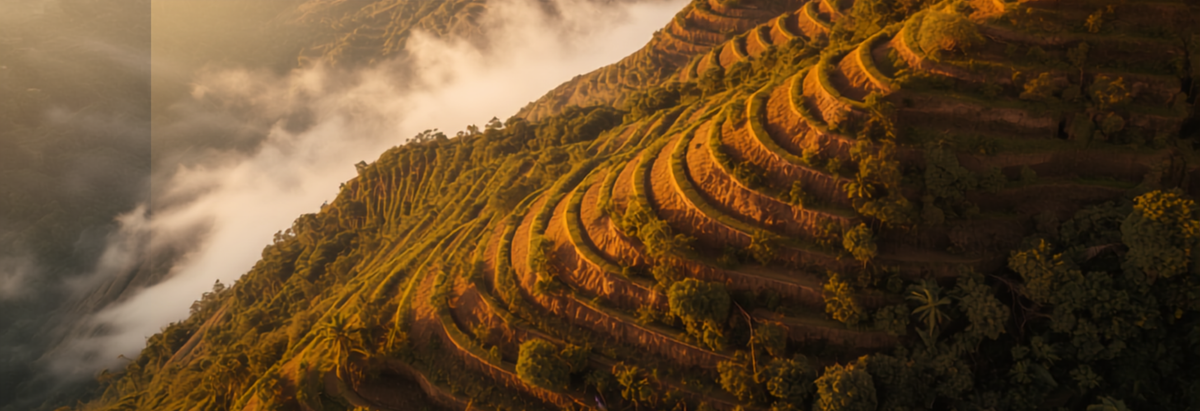
How Terroir Shapes Coffee Flavour Around the World
Just like wine, coffee is shaped by terroir - soil, altitude, climate and microclimate. Learn how these factors create the flavour differences between origins.
Read moreabout How Terroir Shapes Coffee Flavour Around the World

African vs Latin American Coffee: How Do They Differ in Flavour?
African and Latin American coffees taste noticeably different. Discover why, from variety and processing to altitude, and find which broad style suits your palate.
Read moreabout African vs Latin American Coffee: How Do They Differ in Flavour?
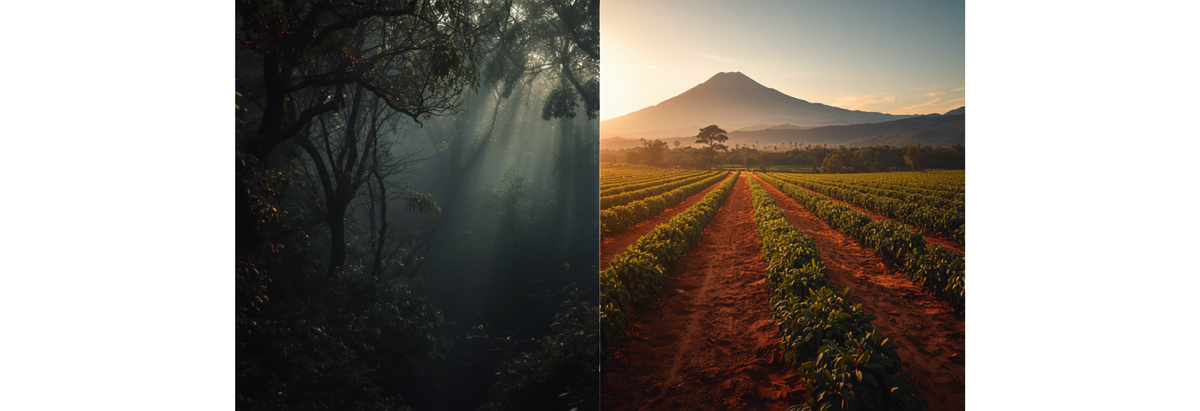
Ethiopian vs Kenyan Coffee: How Do They Compare?
Ethiopia and Kenya sit side by side in East Africa but produce very different cups. Discover how heirloom varieties, processing and grading set these two specialty origins apart.
Read moreabout Ethiopian vs Kenyan Coffee: How Do They Compare?
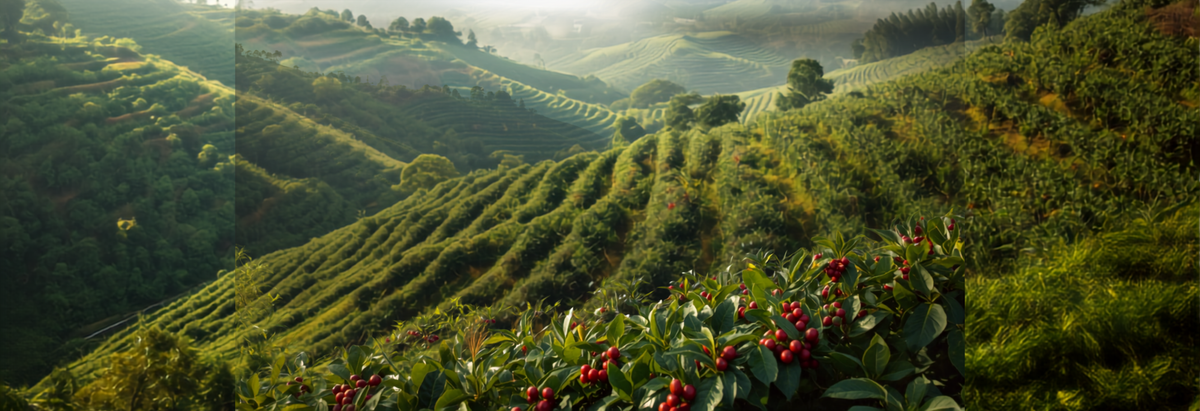
Rwanda rebuilt its coffee industry from devastation into one of Africa's most respected specialty origins. Here's what makes Rwandan coffee distinctive.
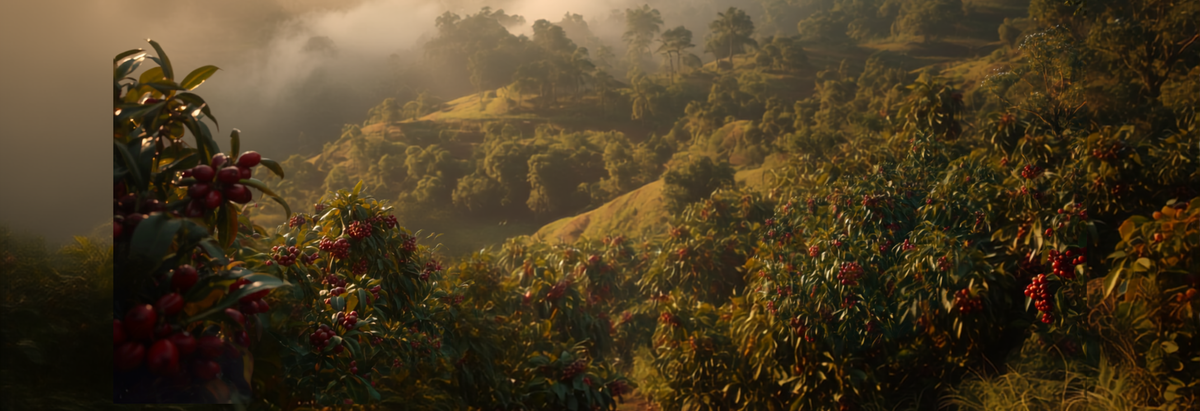
Honduras is Central America's largest coffee producer, and its specialty coffee scene has grown dramatically. Here's what makes Honduran coffee worth paying attention to.
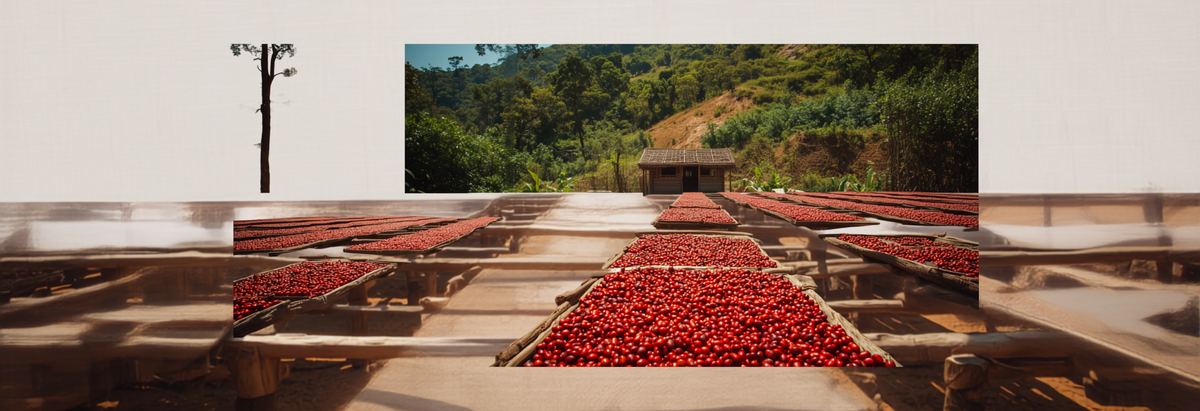
Costa Rica's arabica-only laws, micro-mill innovation and honey processing expertise have made it a favourite among specialty roasters. Here's what makes it distinctive.

Ristretto vs Lungo: What's the Difference?
Ristretto and lungo start from the same coffee dose but taste very different. Learn how water ratio and extraction time create these two distinct styles.

Tamping looks simple but small mistakes cause uneven shots. Learn the correct technique, common mistakes, and why consistency matters more than force.

What Is Channeling in Espresso?
Channeling is one of the most common hidden causes of uneven, disappointing espresso shots. Learn what it is, why it happens, and how to prevent it.